The petroleuses of the Paris Commune
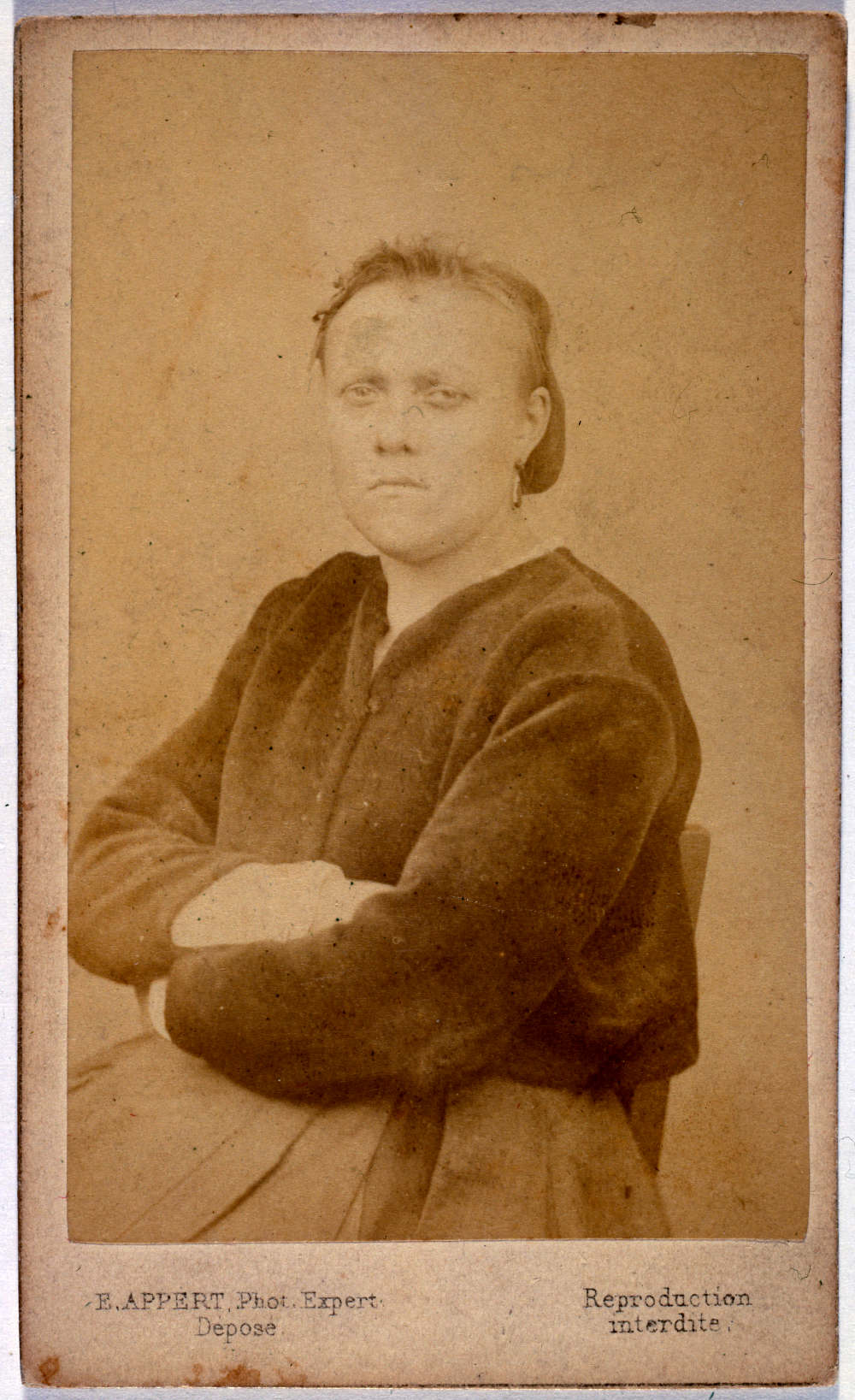
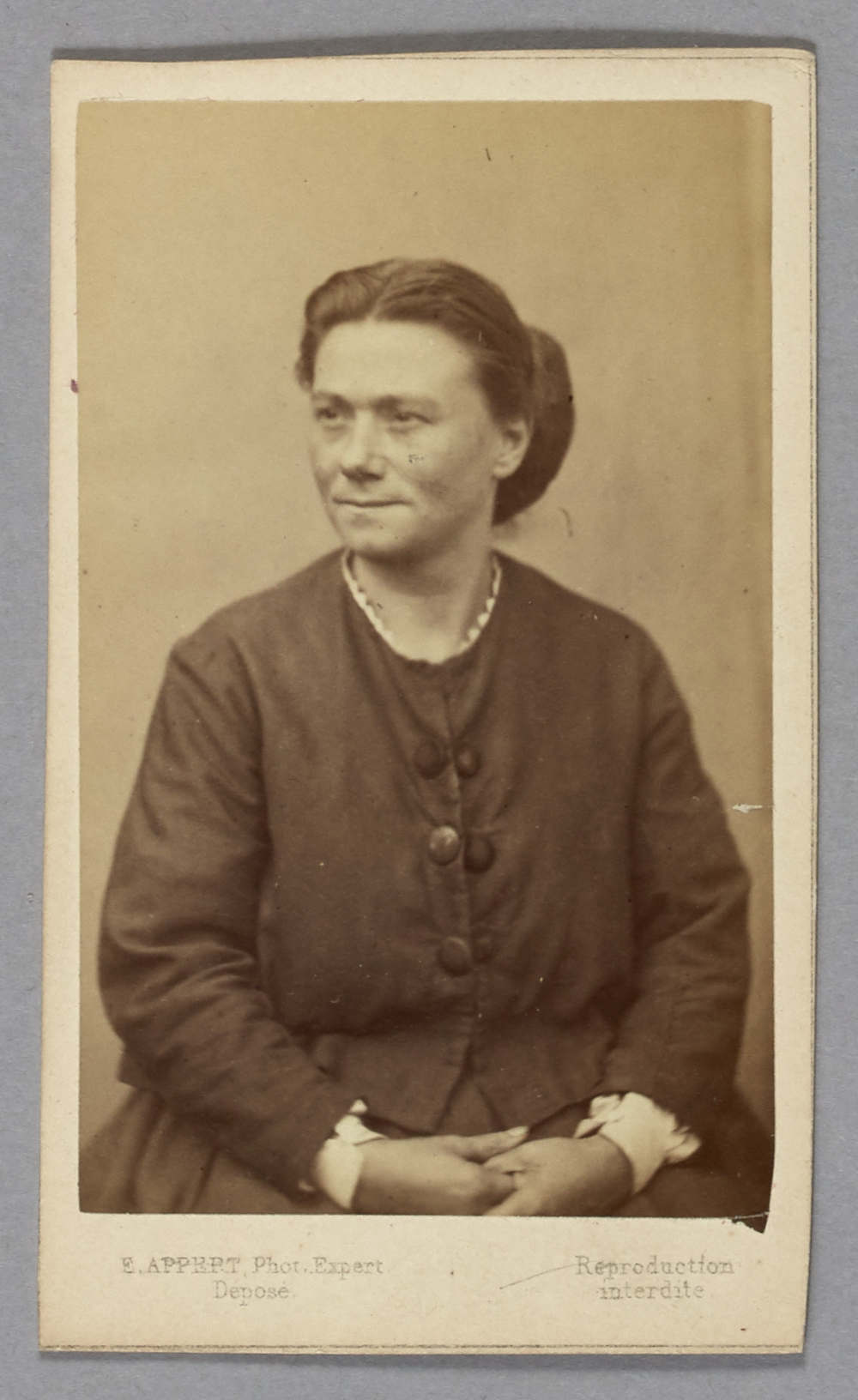
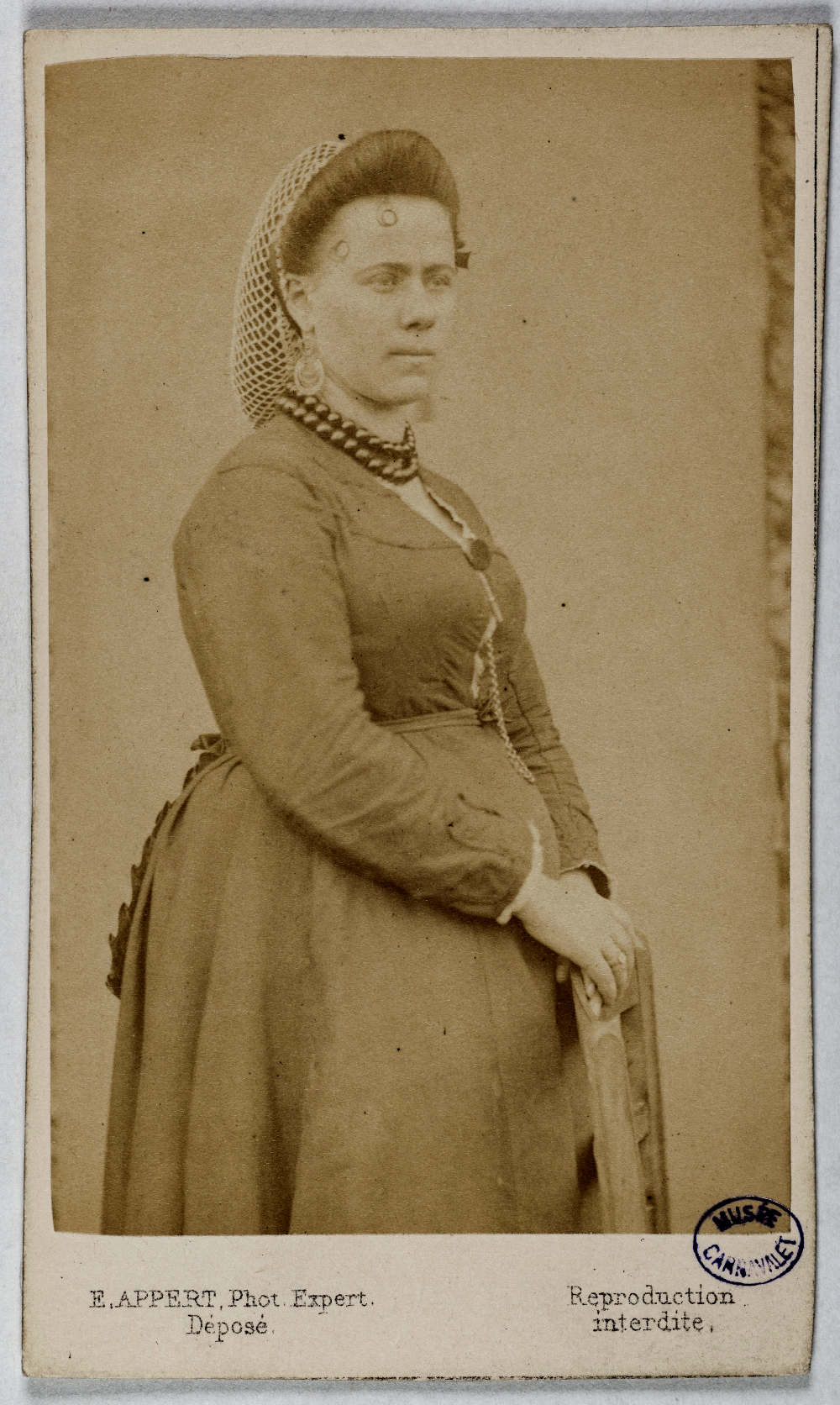
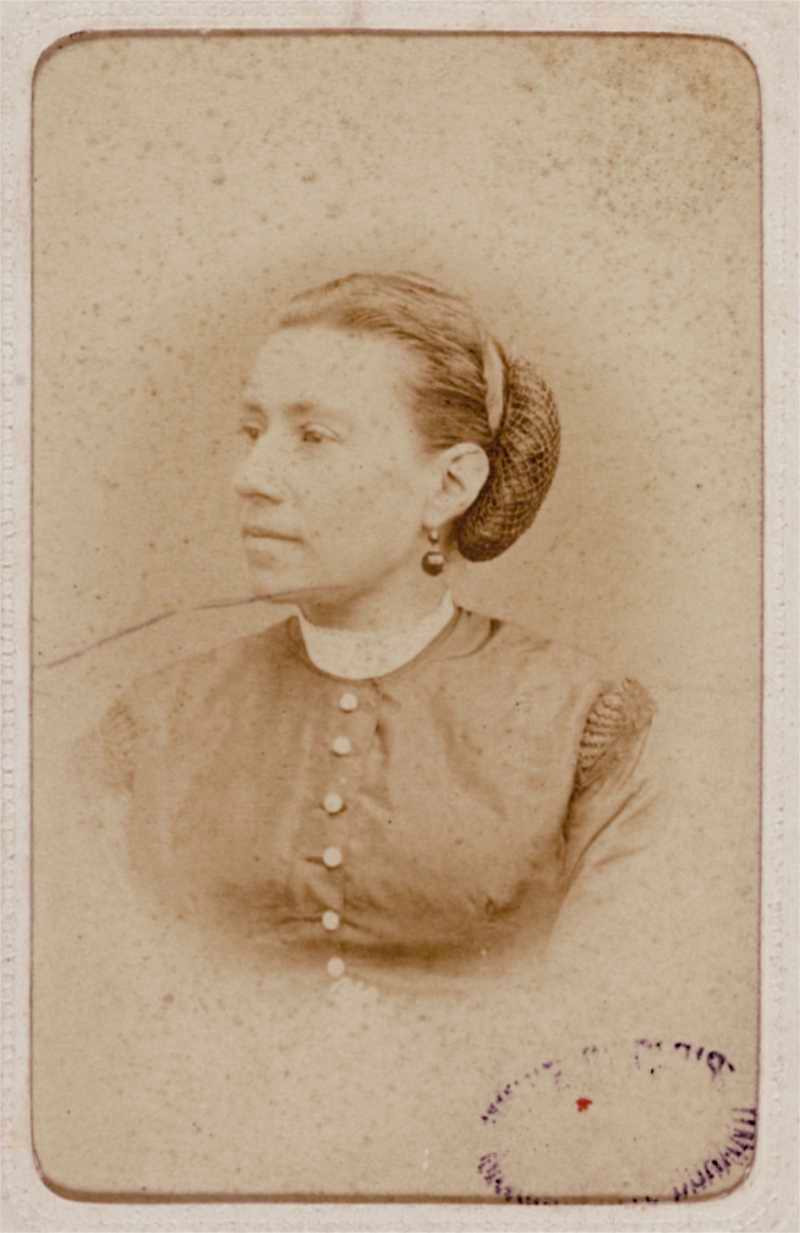
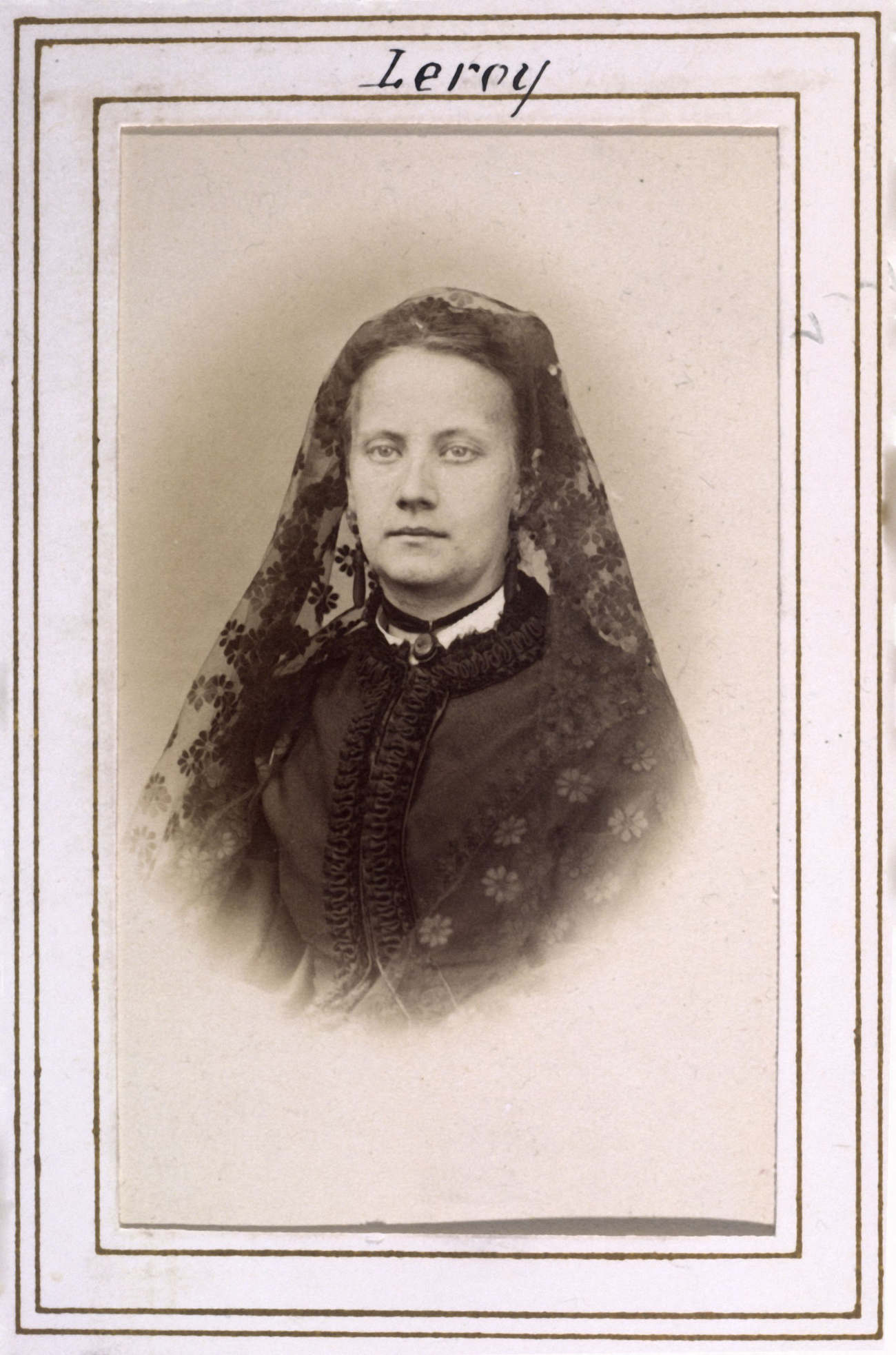
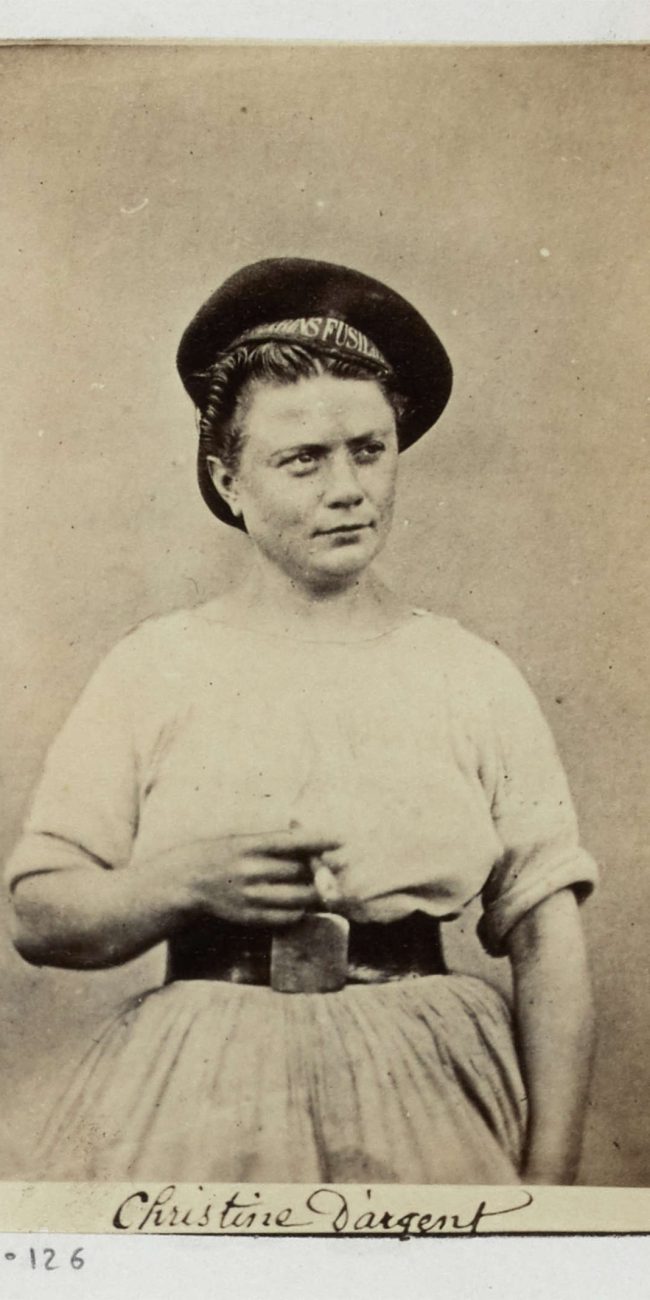
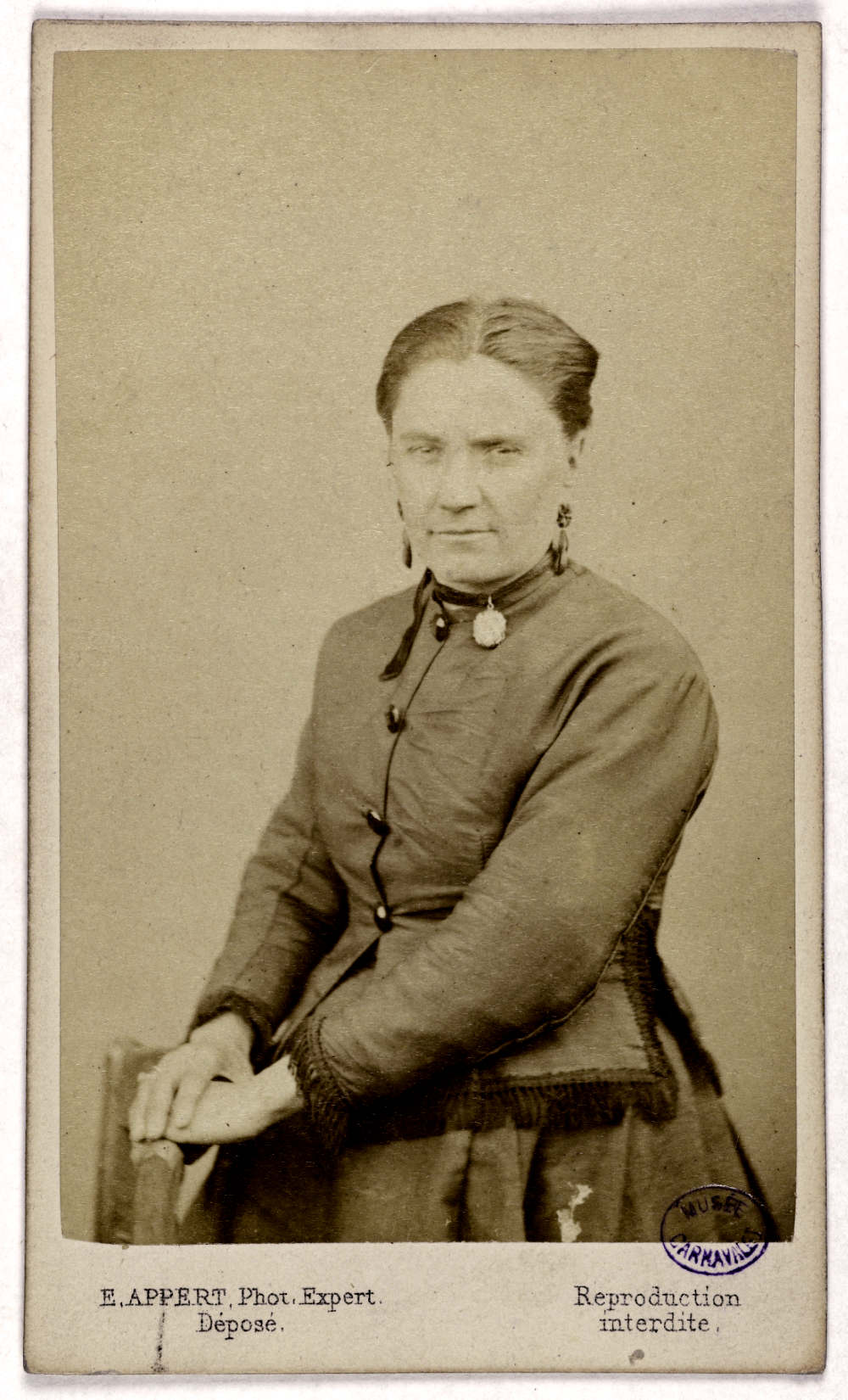
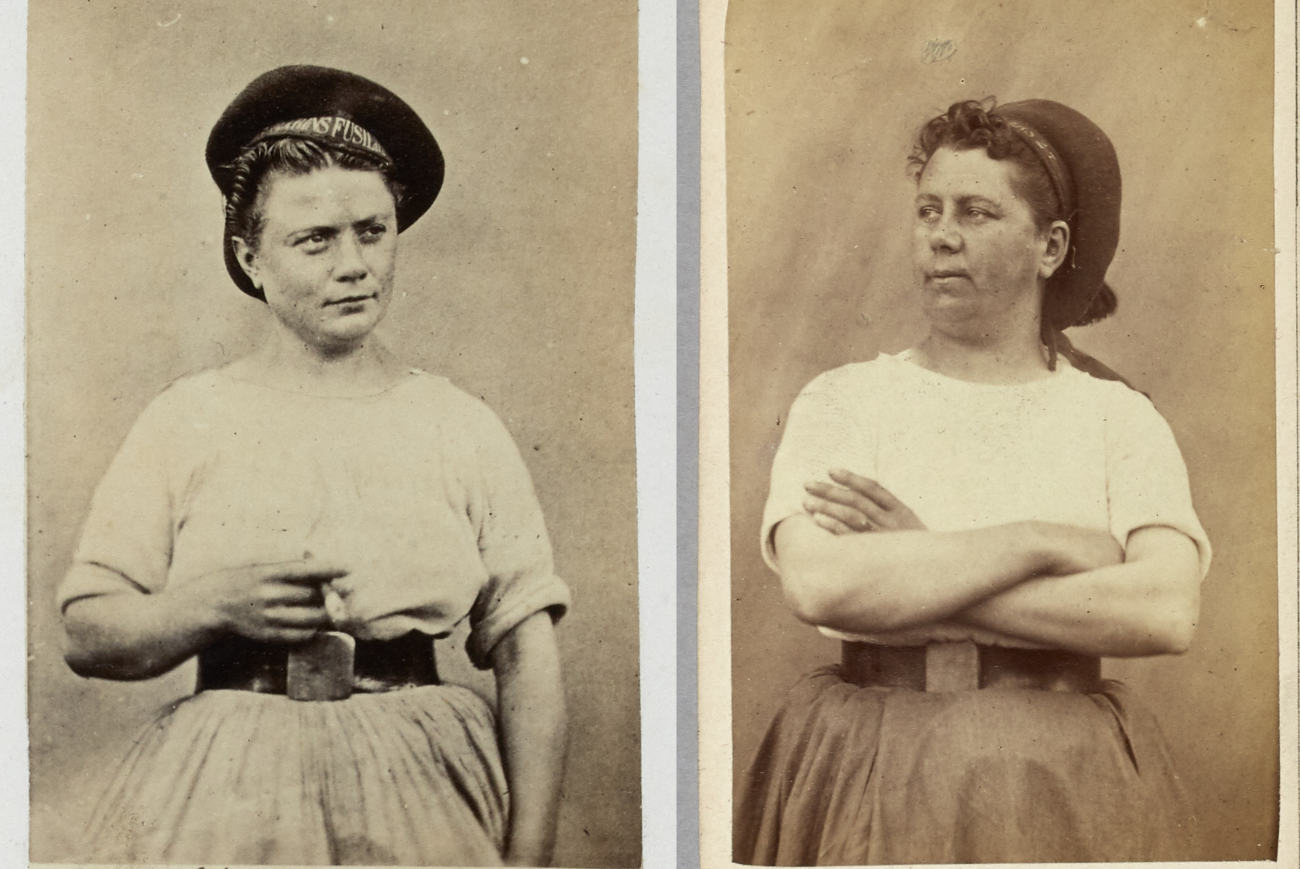
The pétroleuses remain one of the most enduring and controversial myths of the 1871 Paris Commune. According to the accounts of the Versailles government and conservative press at the time, these were working-class women who supposedly roamed the city during the Bloody Week (Semaine Sanglante), when the Versailles army killed forty thousand people in Paris, defending themselves with bottles of petroleum, deliberately setting fire to public buildings and private homes. This archetype of the female arsonist was used by the ruling class to demonise the revolutionary movement, framing the Communard women not as political actors seeking social justice, but as hysterical, unwomanly threats to the very fabric of civilisation.
In reality, historical evidence suggests that the pétroleuses were largely a product of wartime propaganda and collective paranoia. While fires certainly devastated Paris as the Commune fell, most were caused by heavy artillery shelling from the retreating Versailles army or were strategic fires set by Communard soldiers to slow the enemy’s advance. Although eight thousand women were arrested and many put on trial for arson, no concrete evidence was ever produced to prove a coordinated plot by women to burn the city. Instead, the myth served as a convenient justification for the brutal summary executions and exile of thousands of women whose real crime was their participation in labour, education, and political organisation during the short-lived Paris Commune.