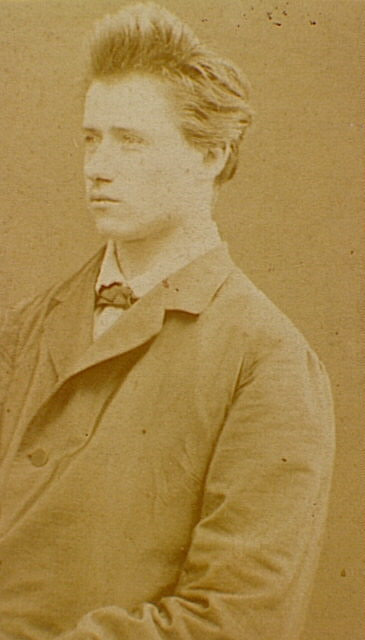
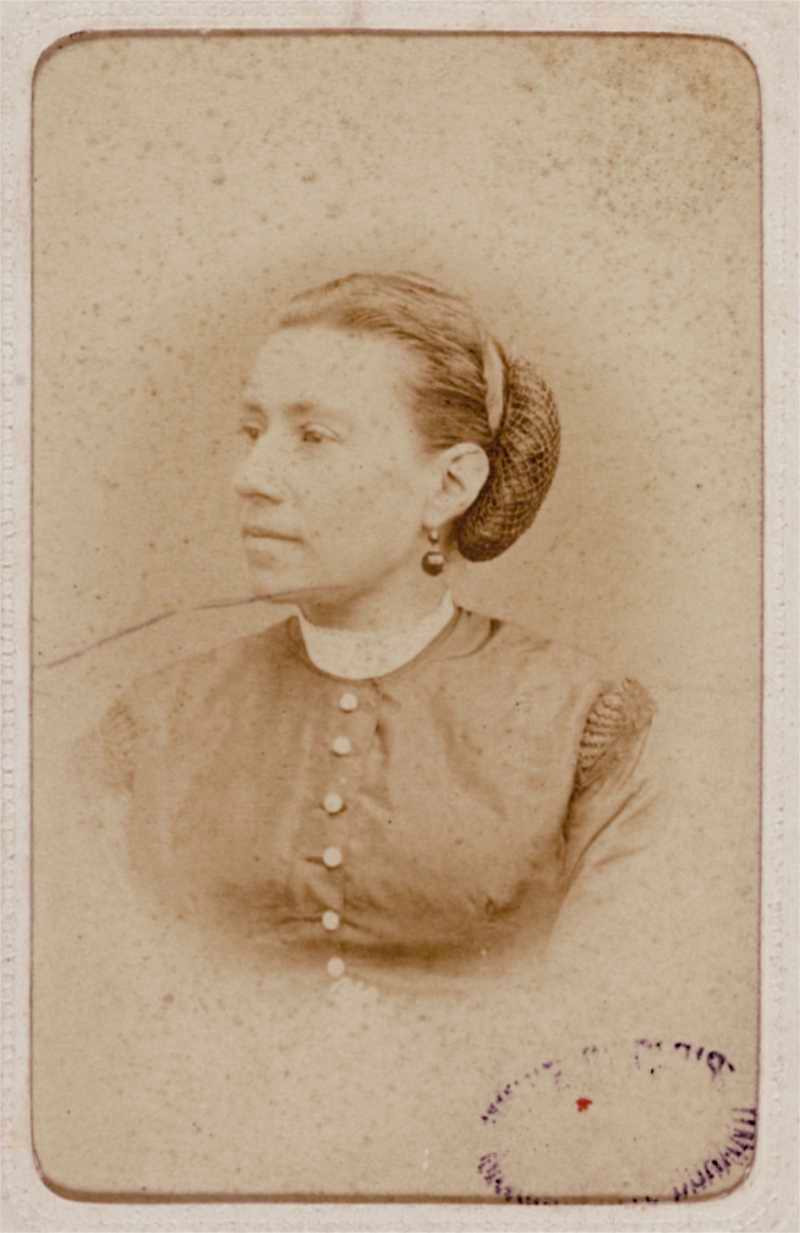
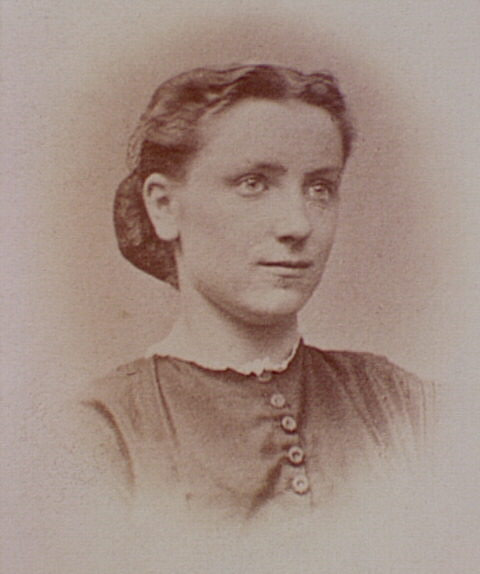
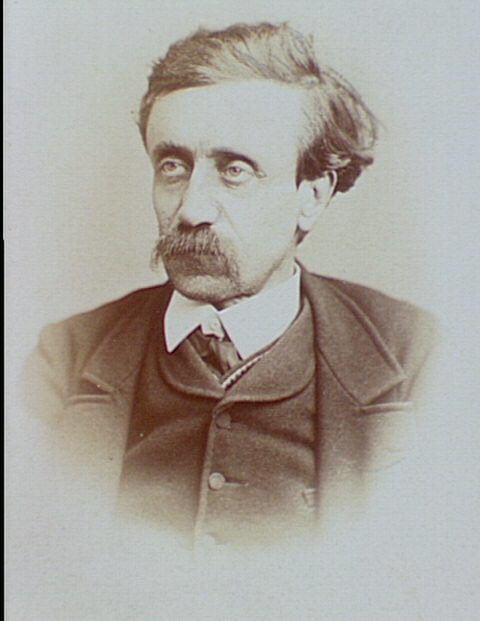
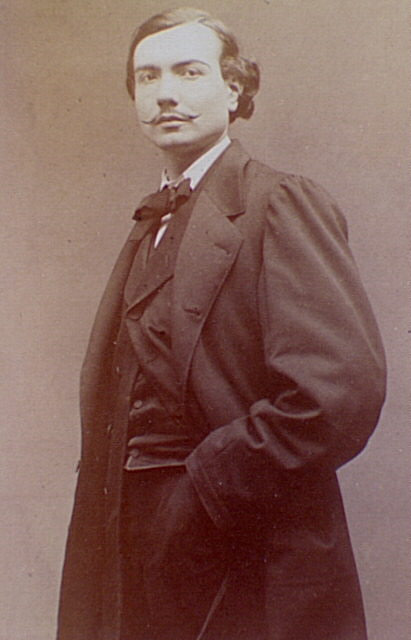
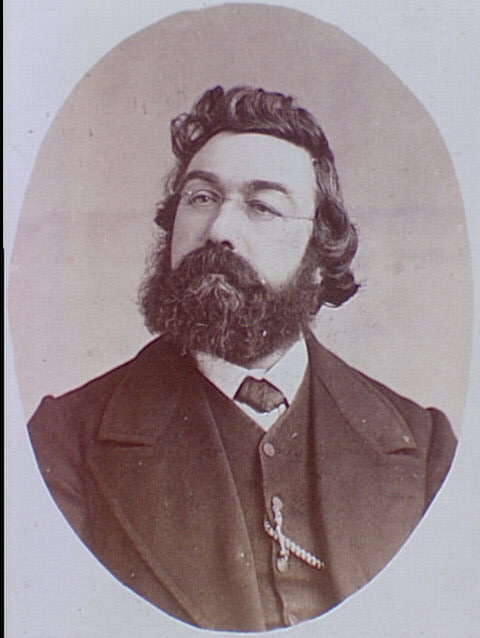
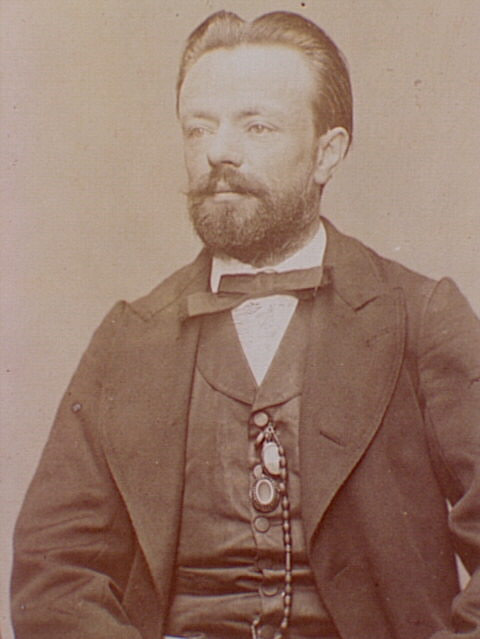
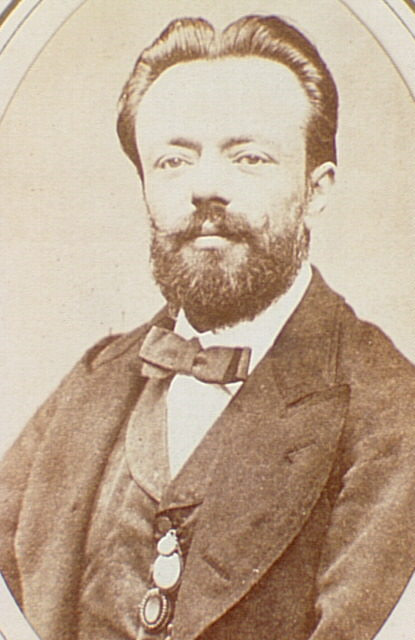
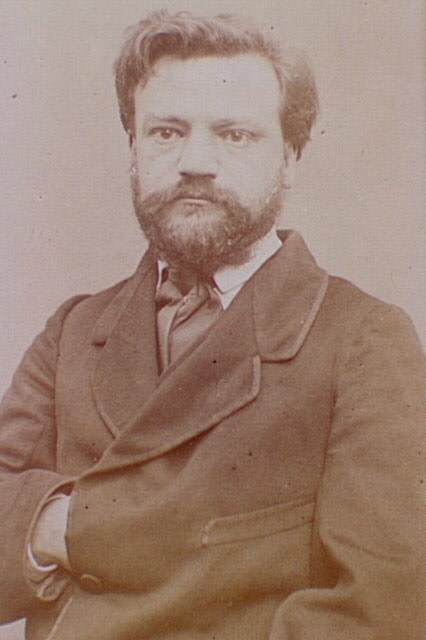
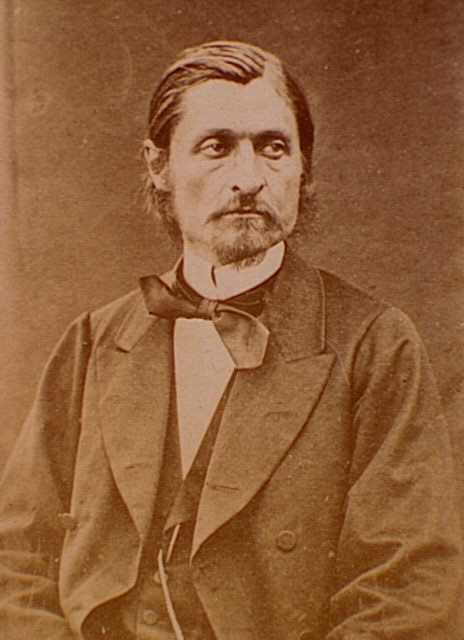
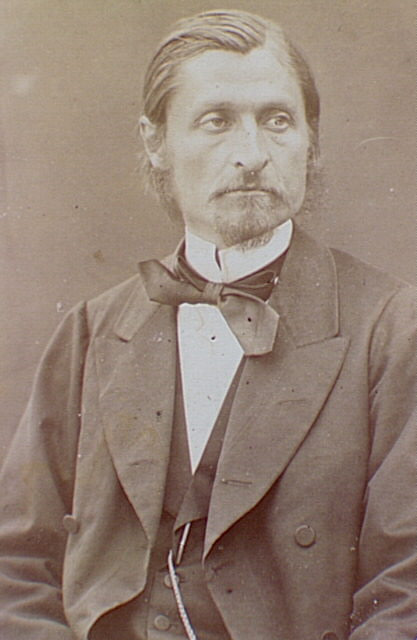
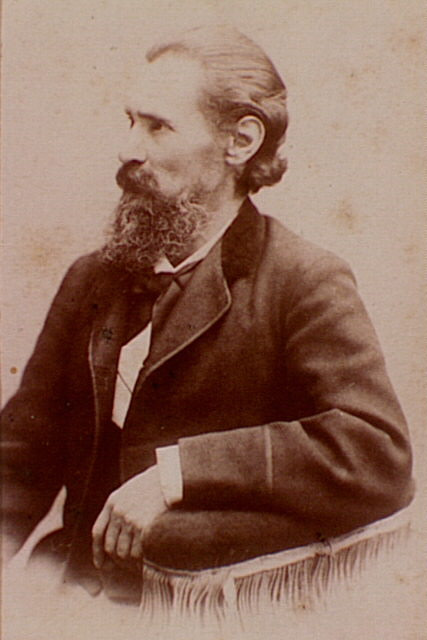
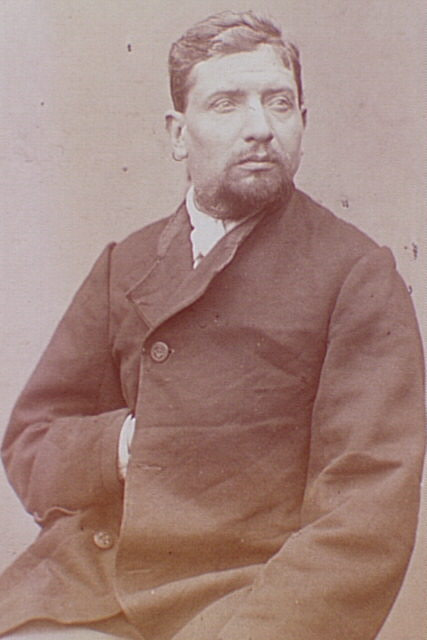
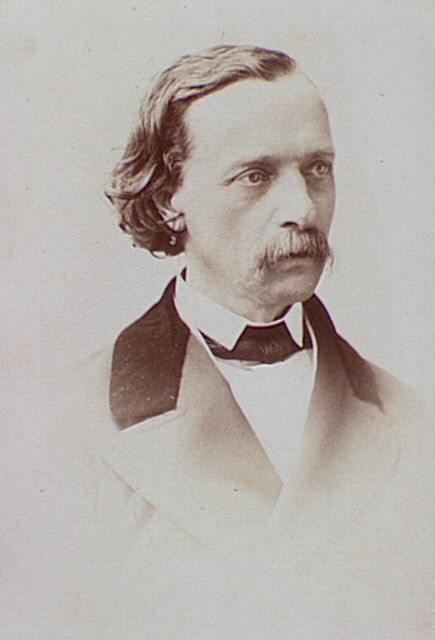
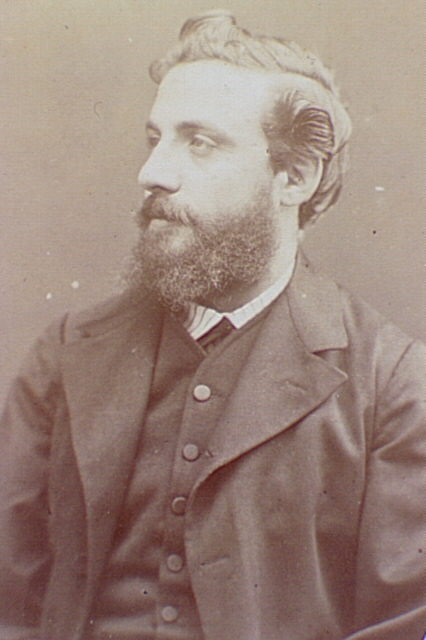
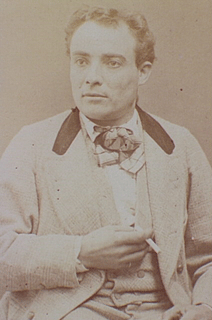
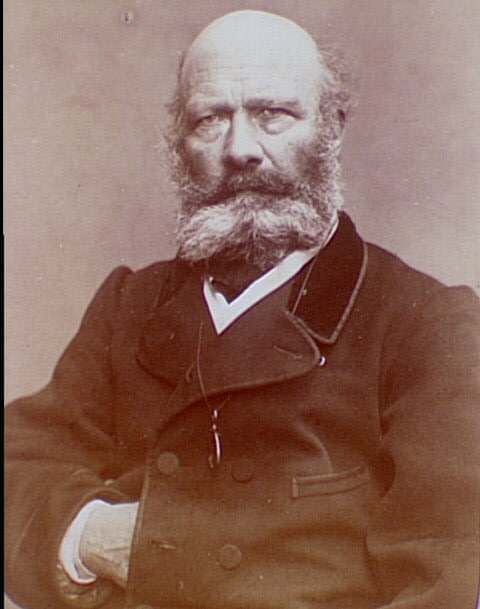
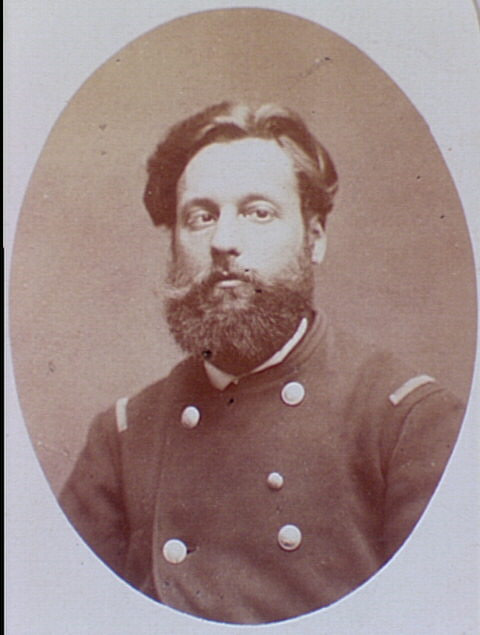
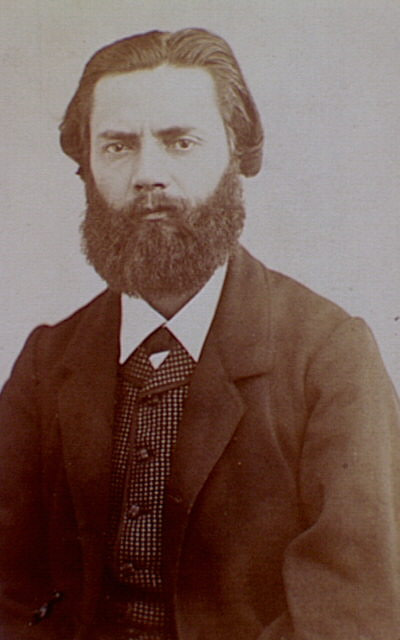
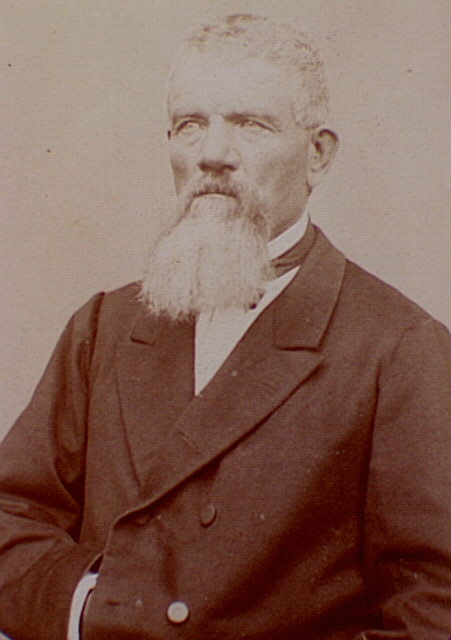
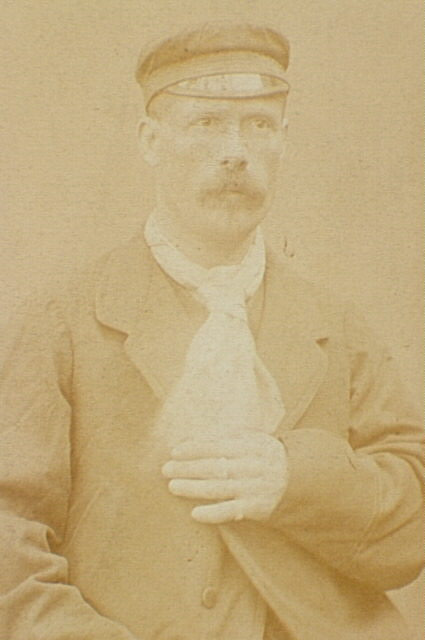
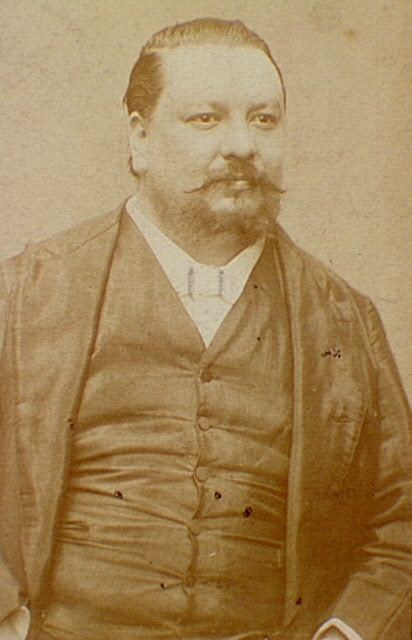
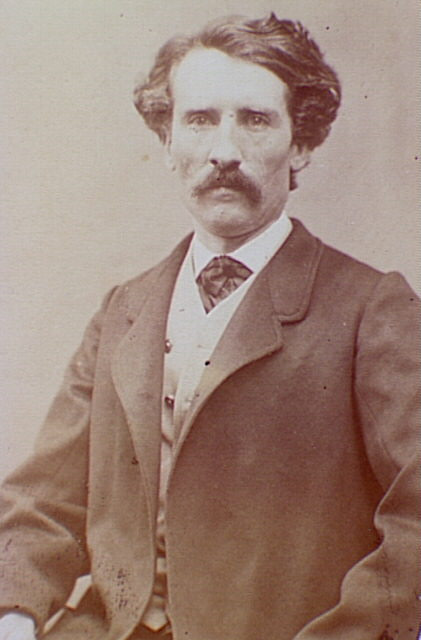
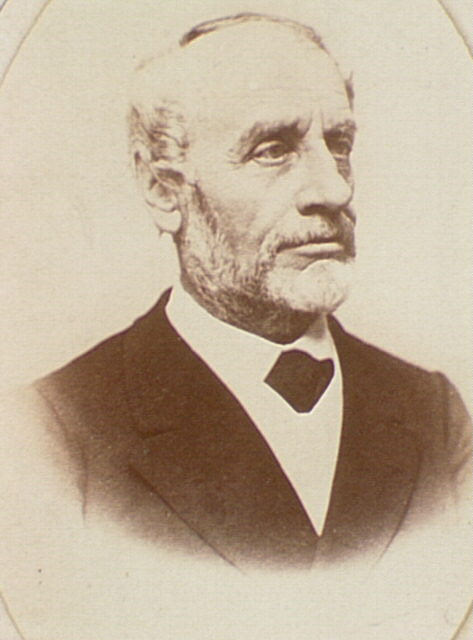
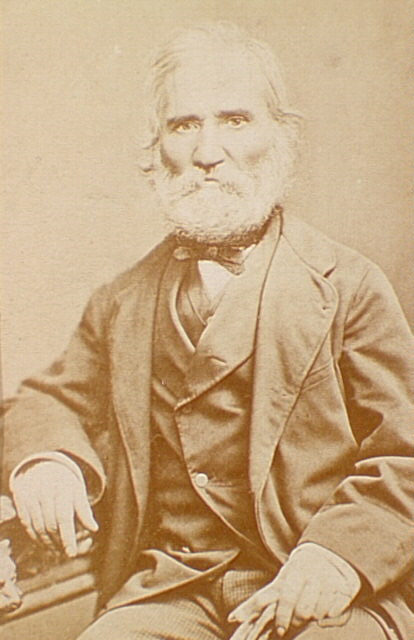
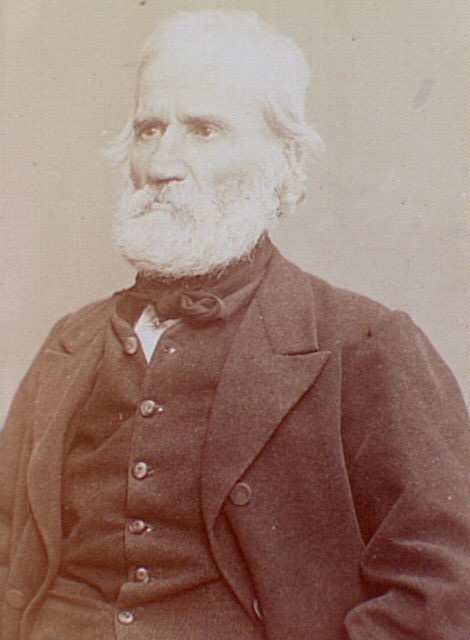
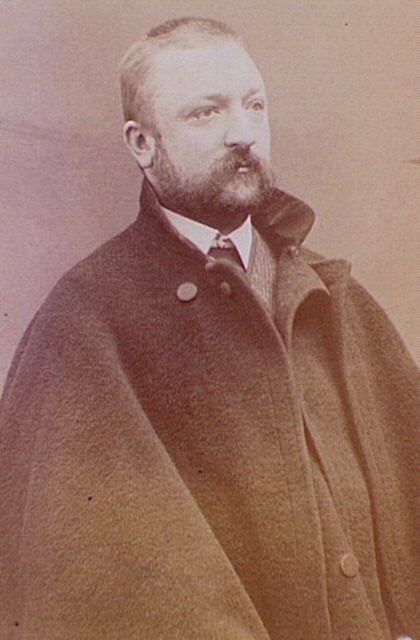
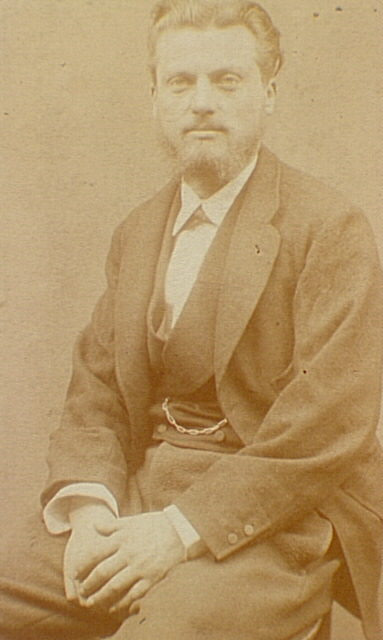
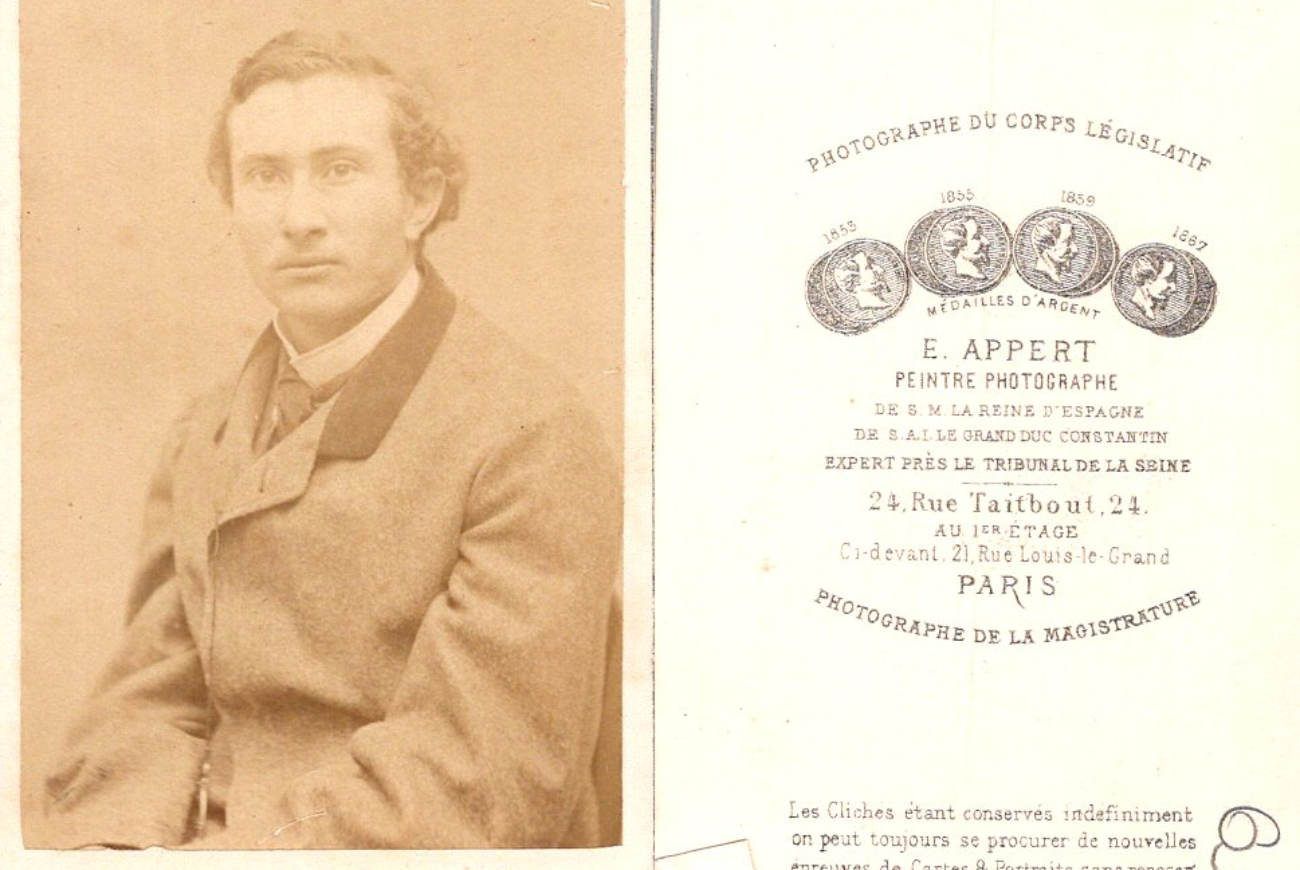
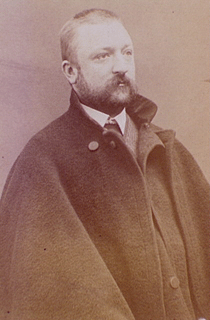
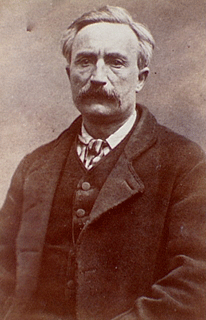
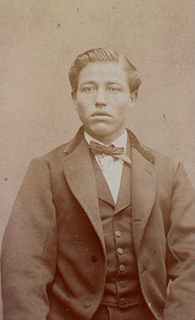
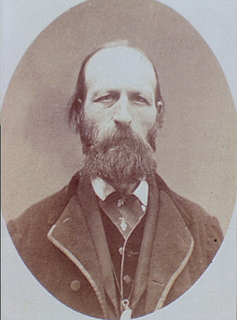
Portraits of the Communards
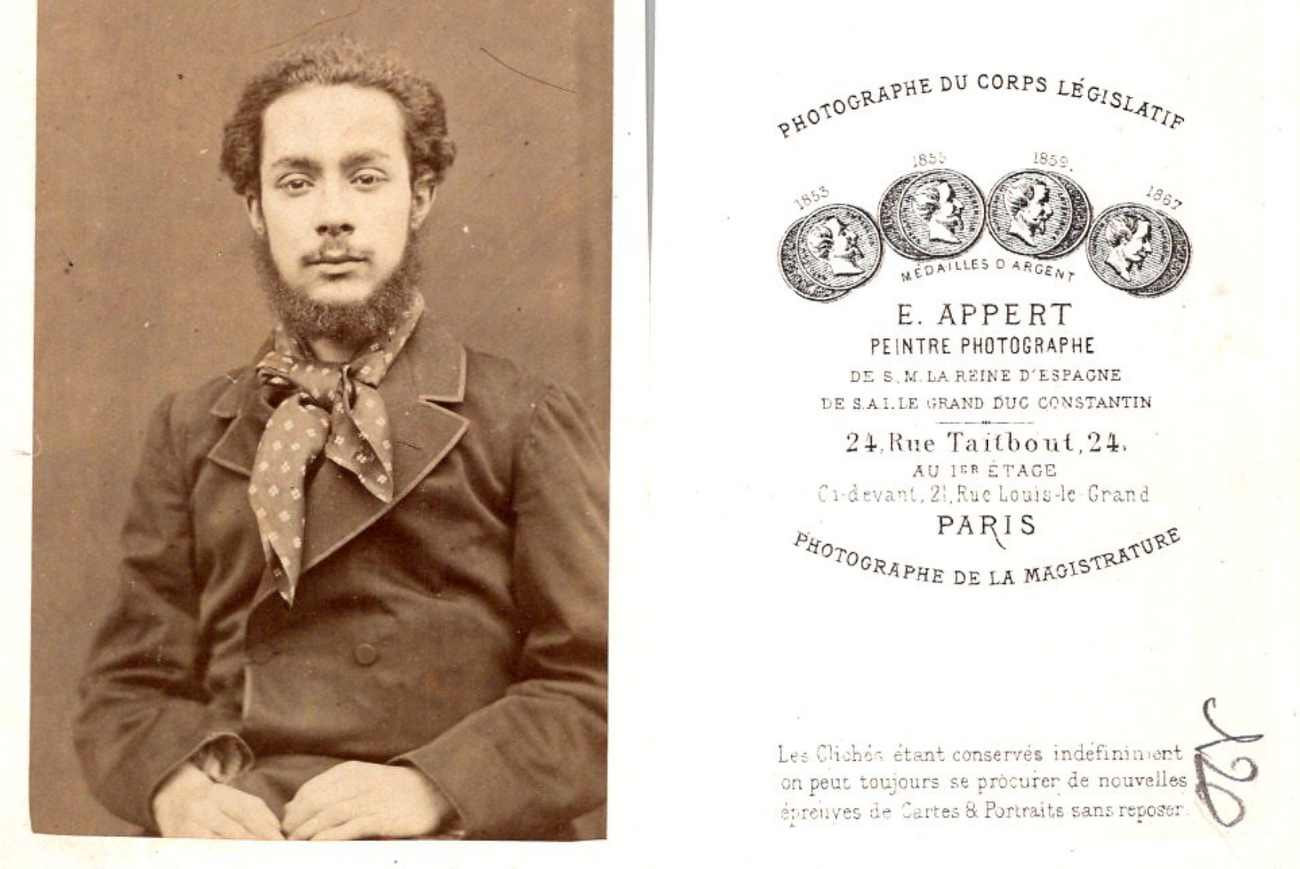
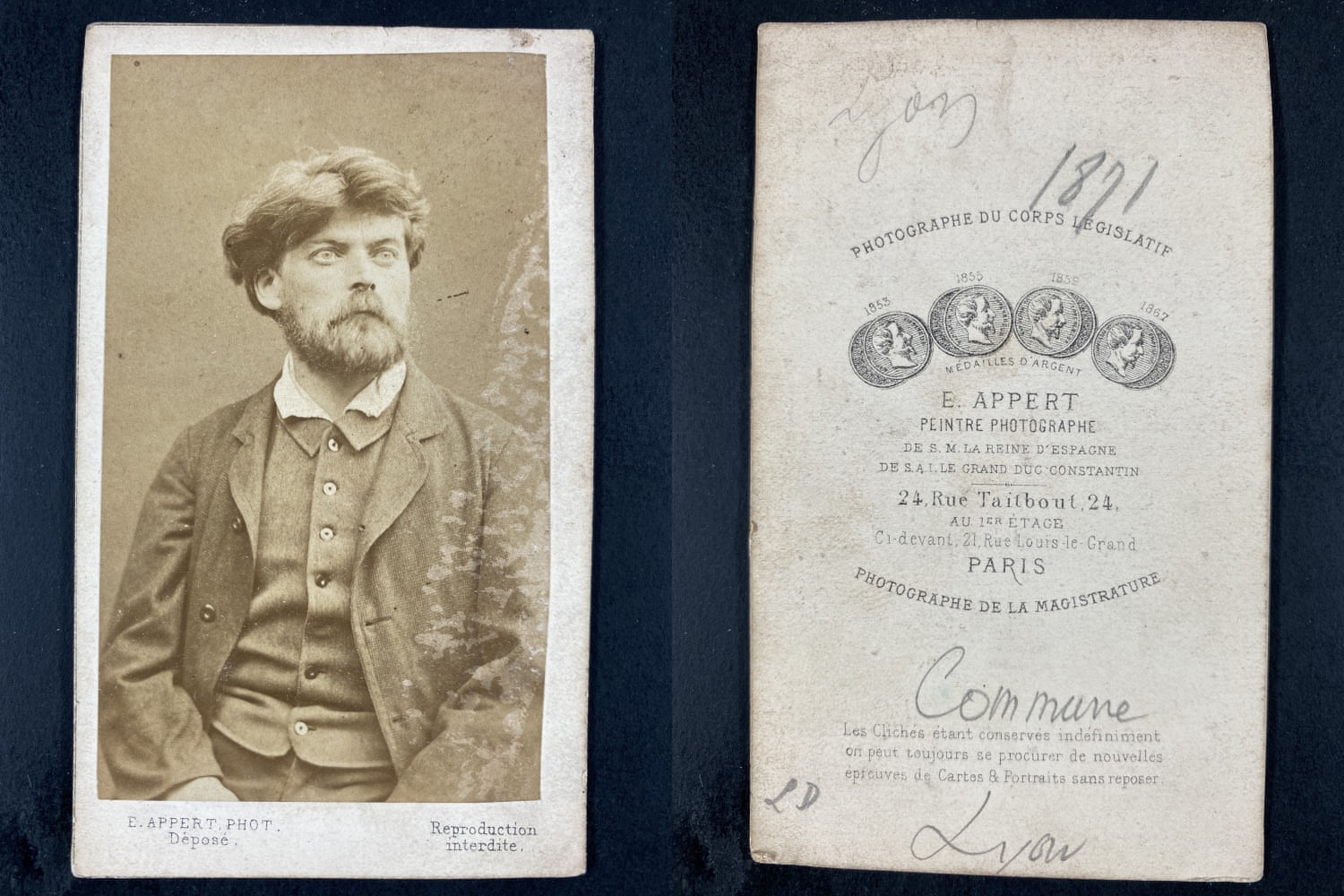
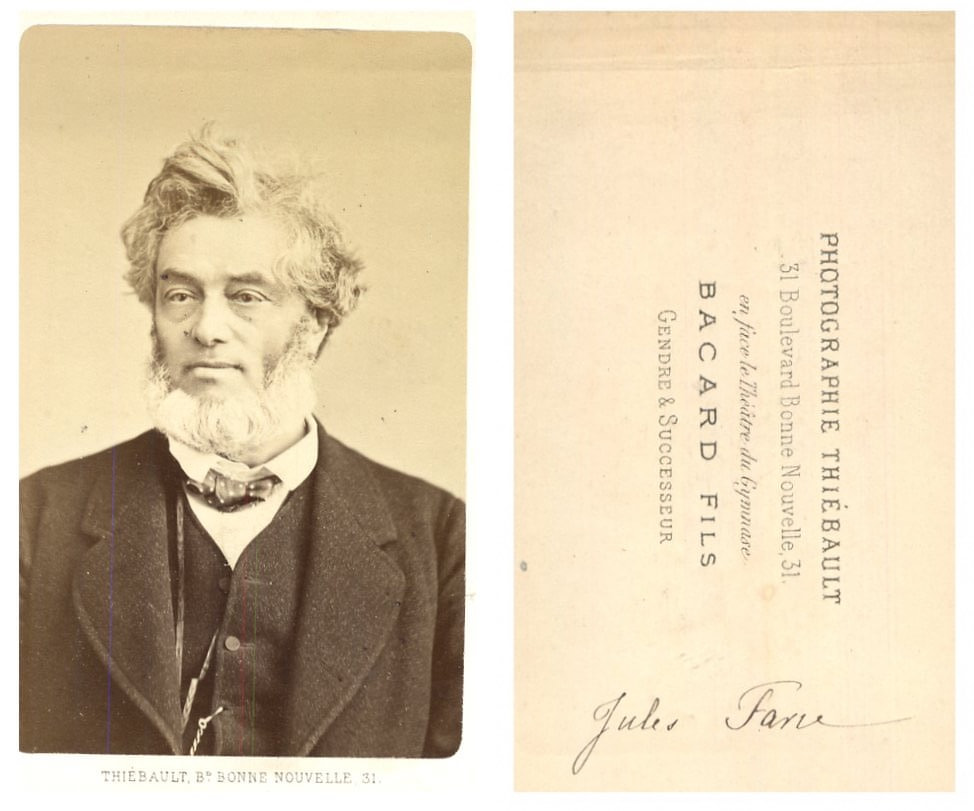
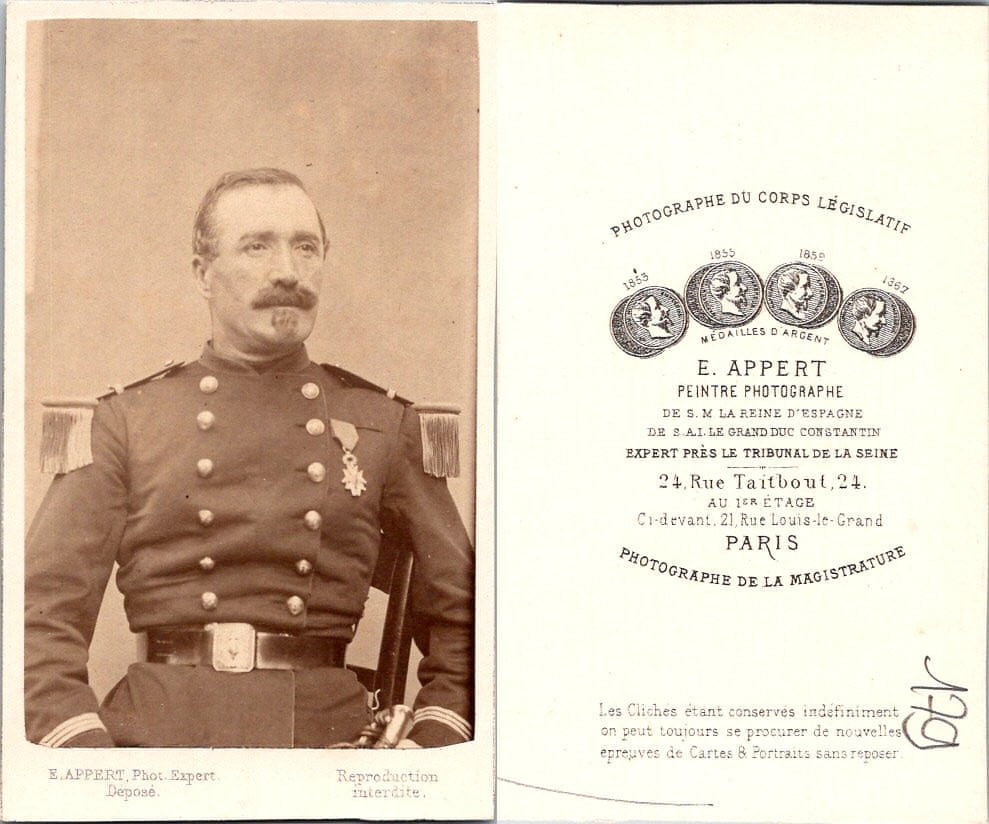
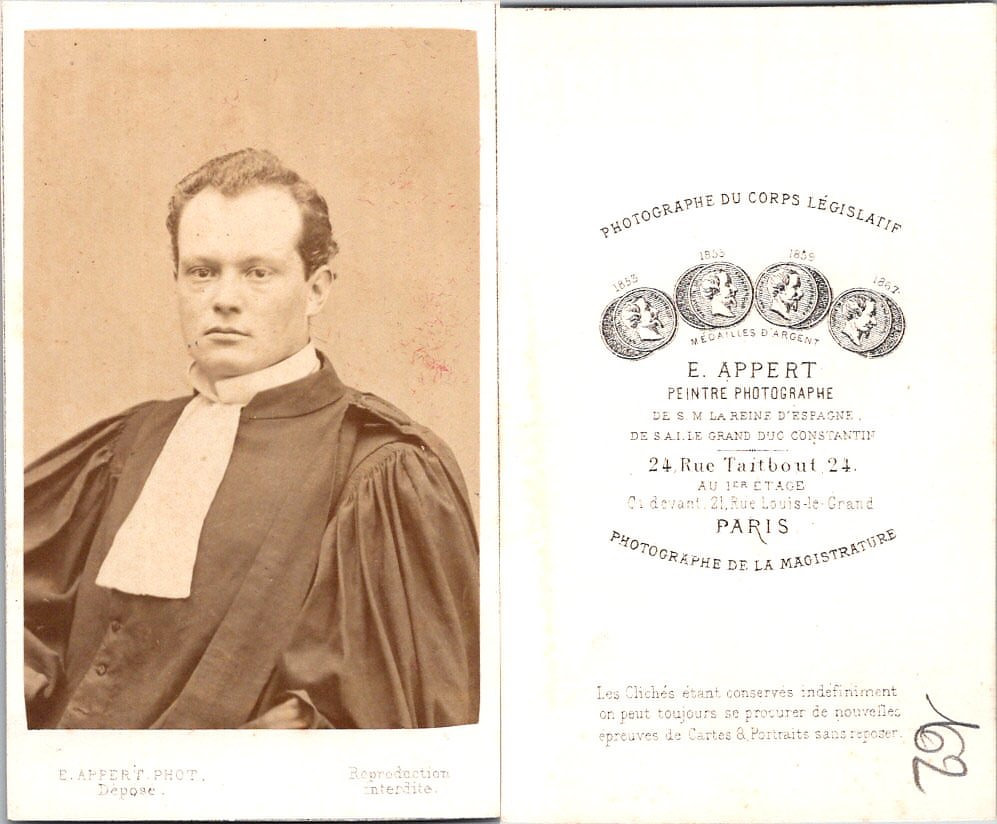
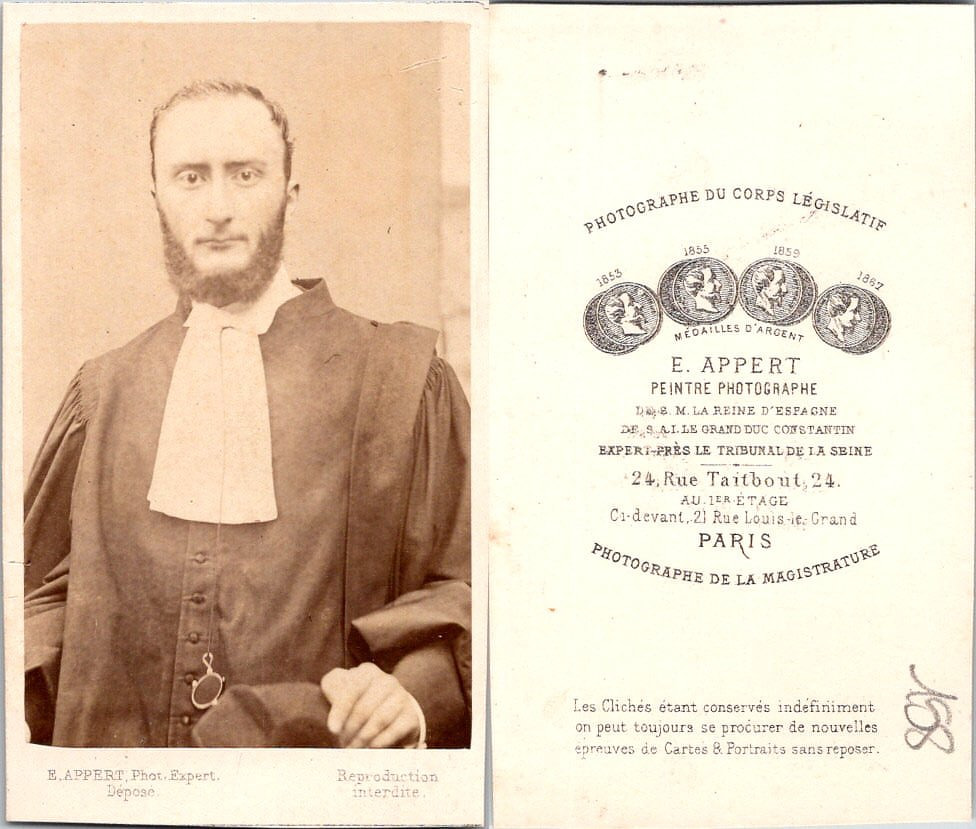
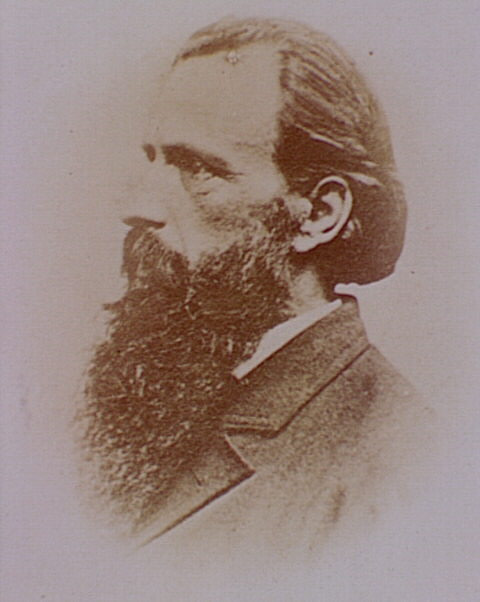
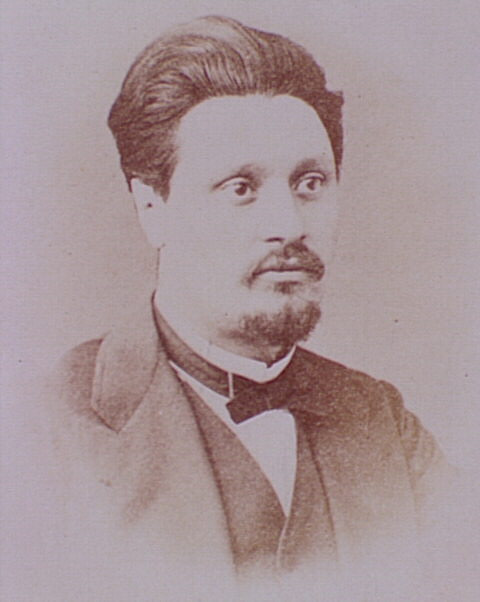
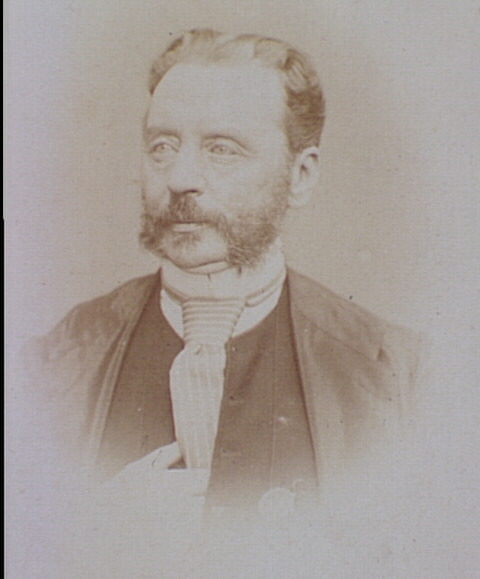
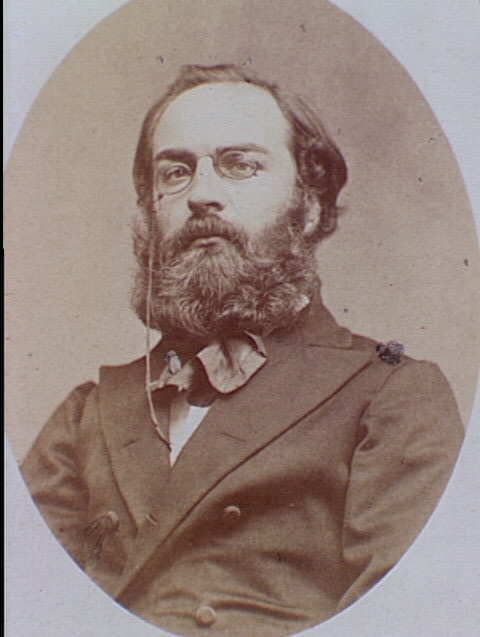
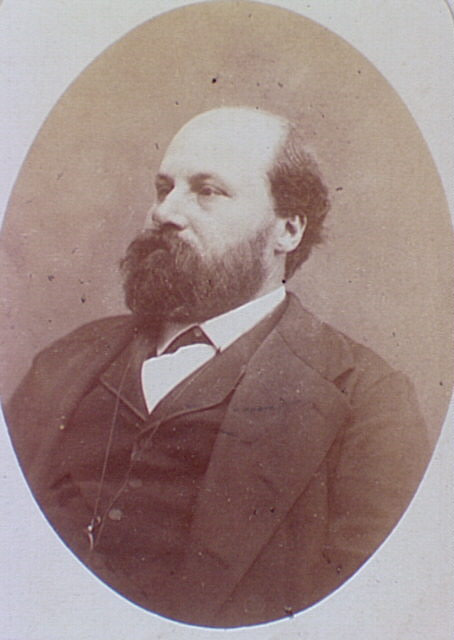
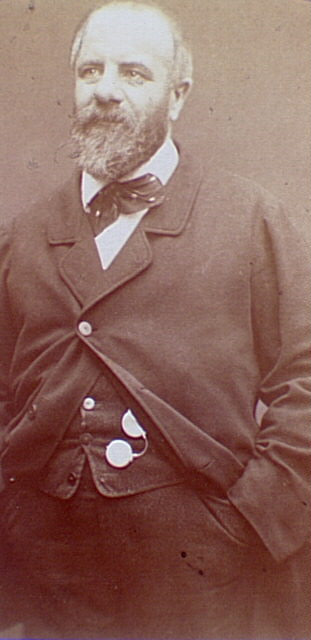
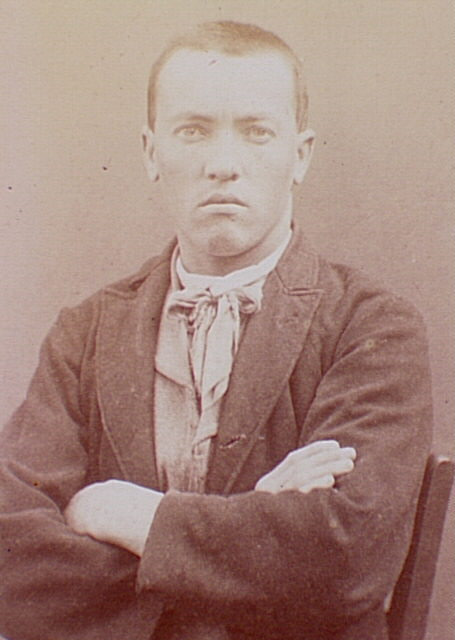
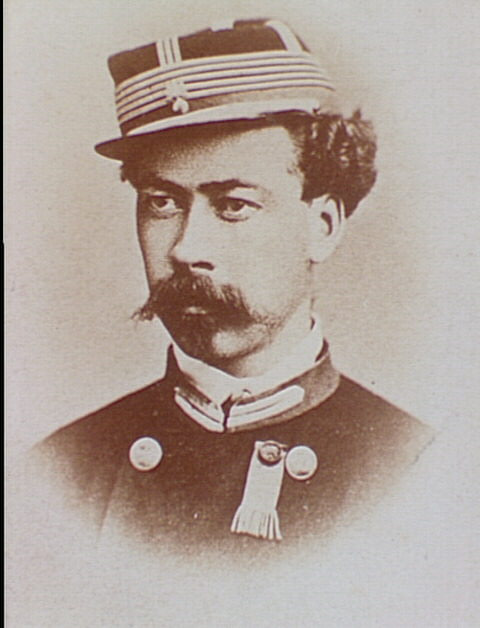
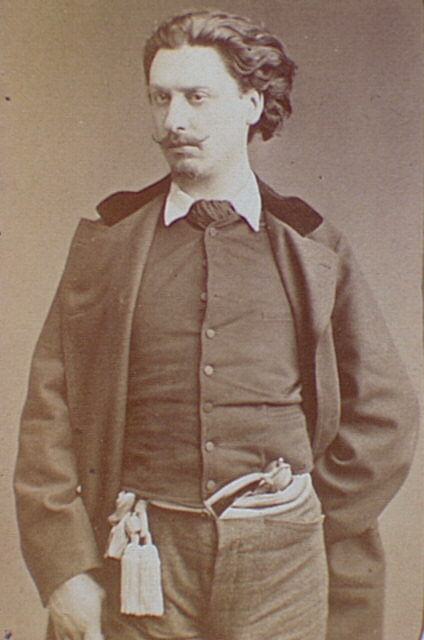
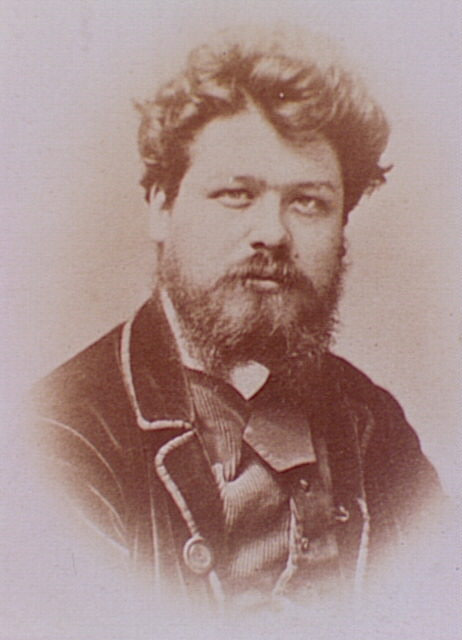
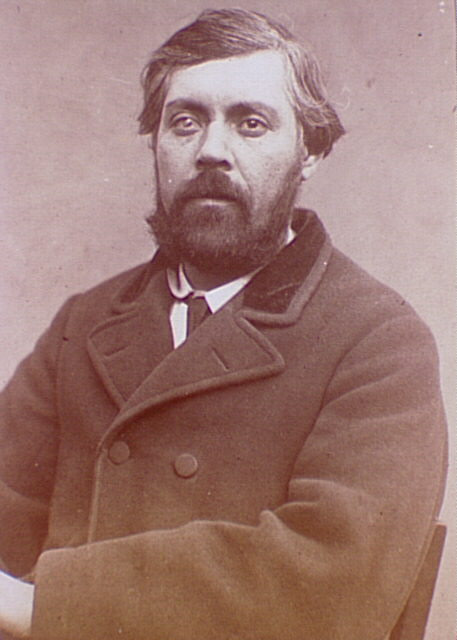
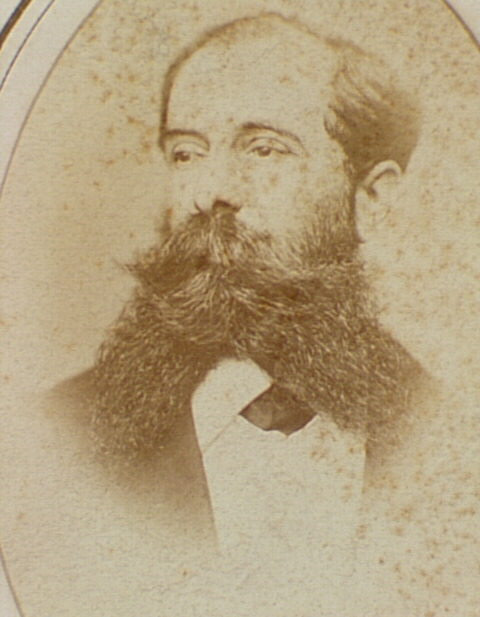
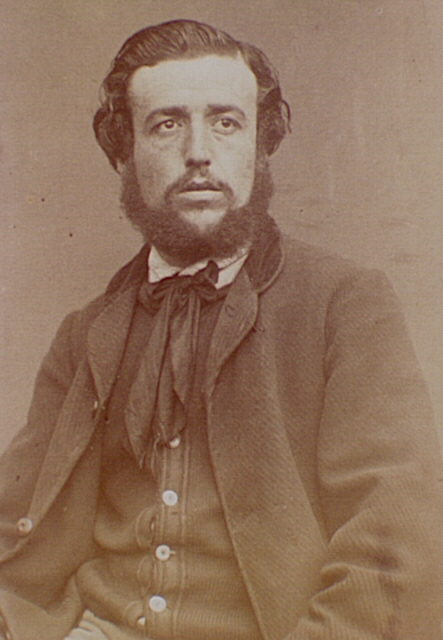
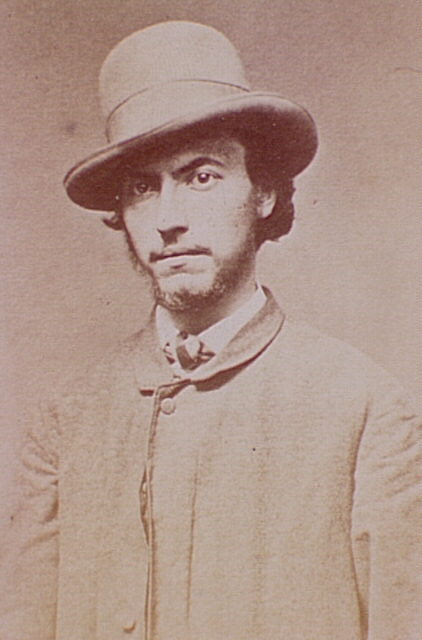
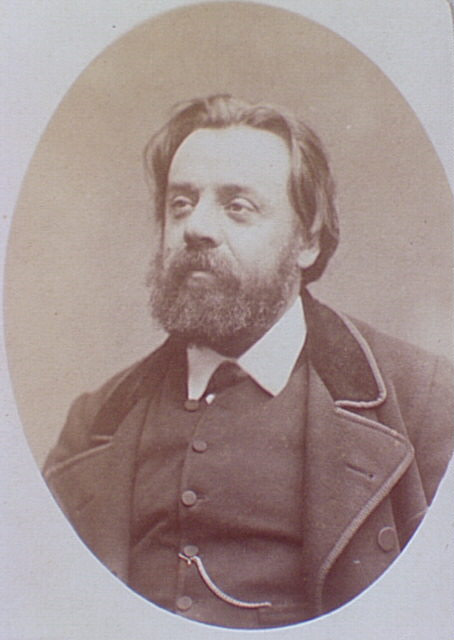
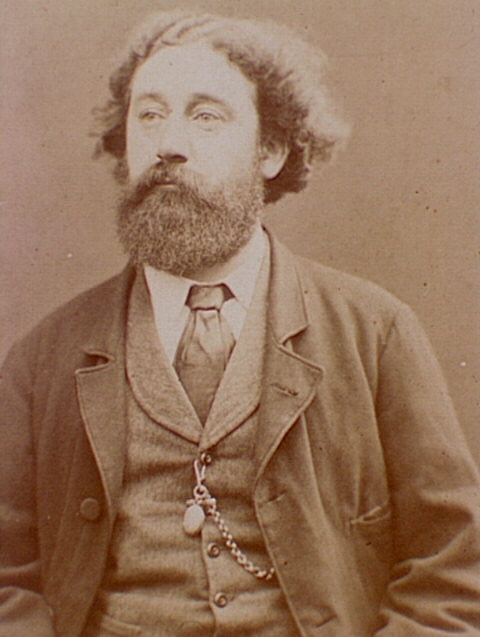
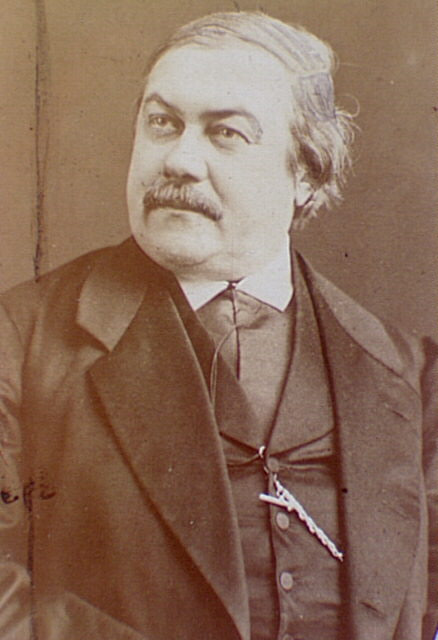
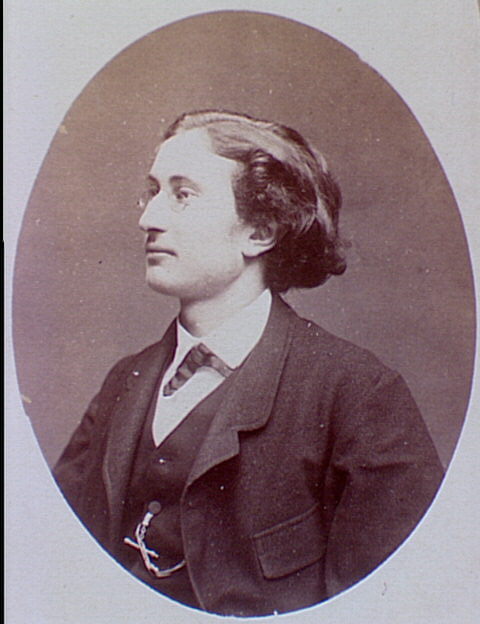
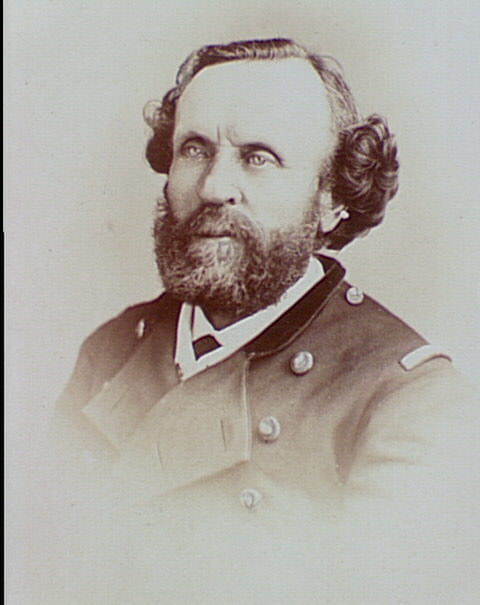
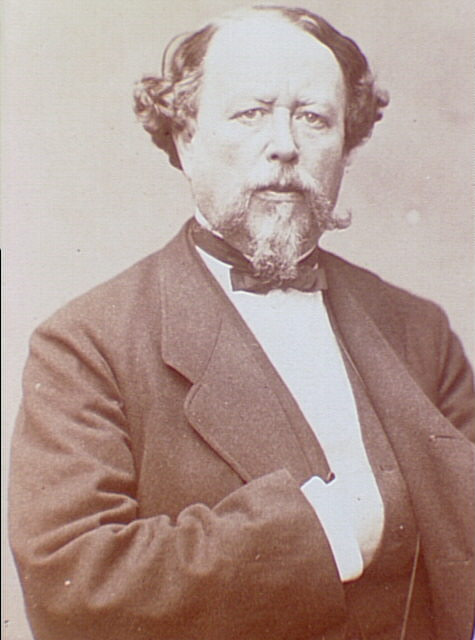
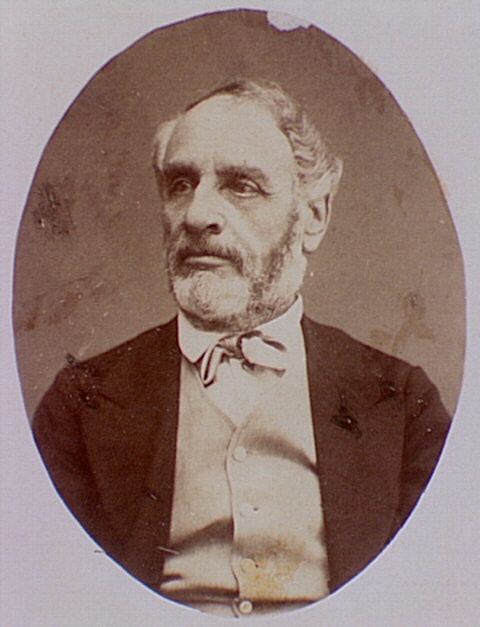
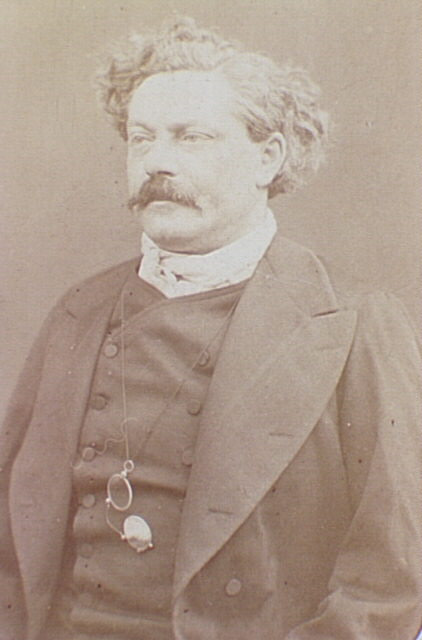
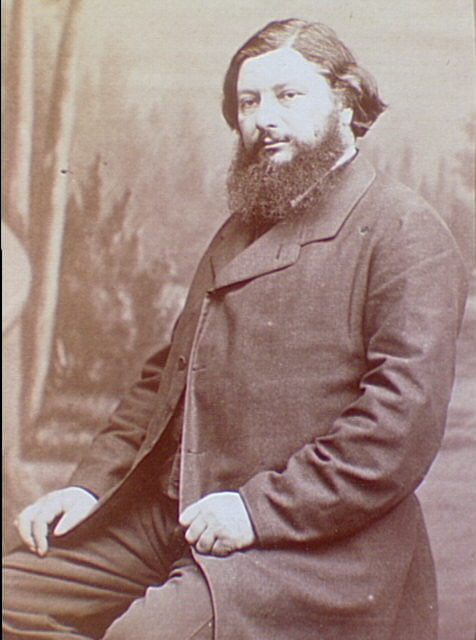
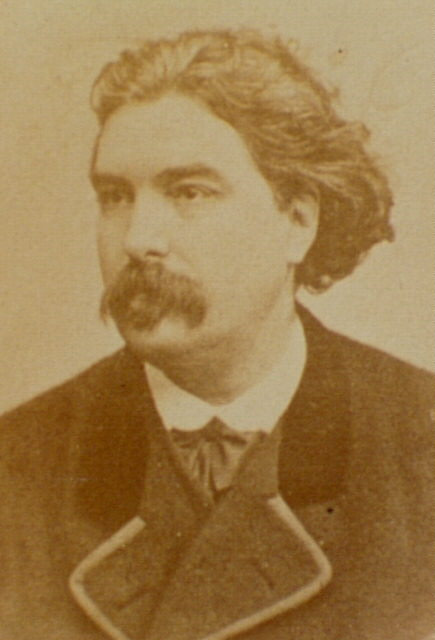
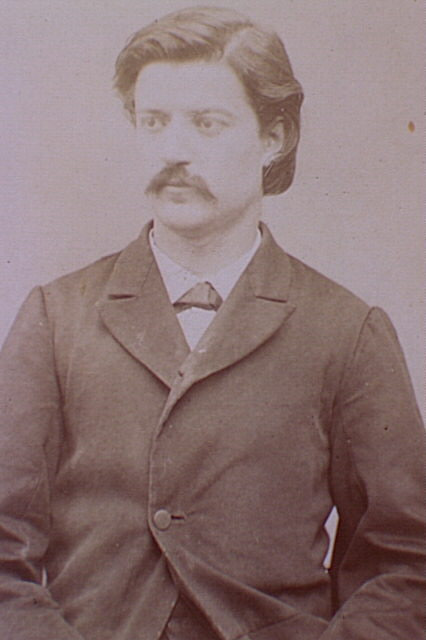
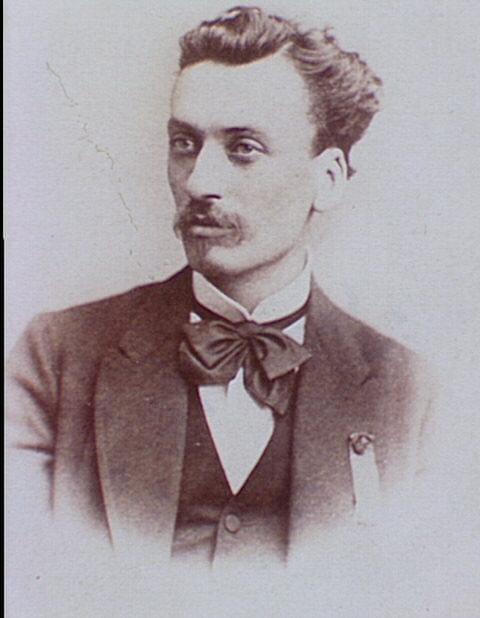
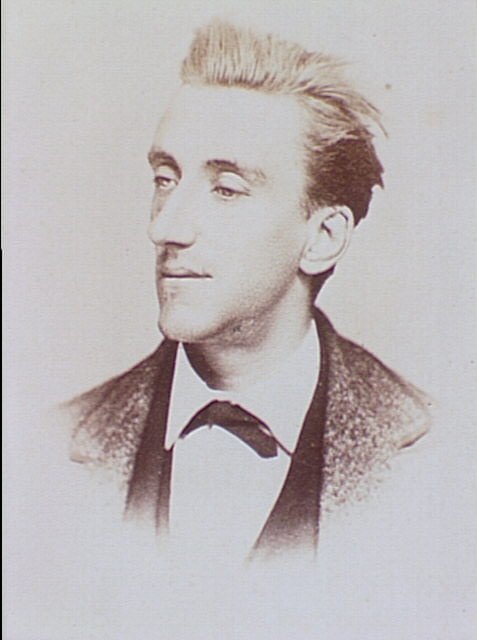
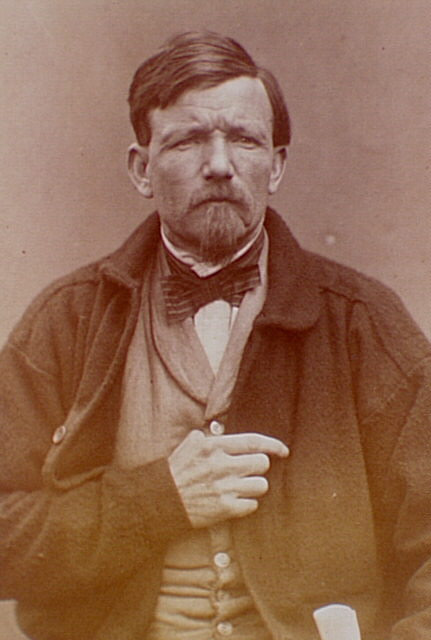
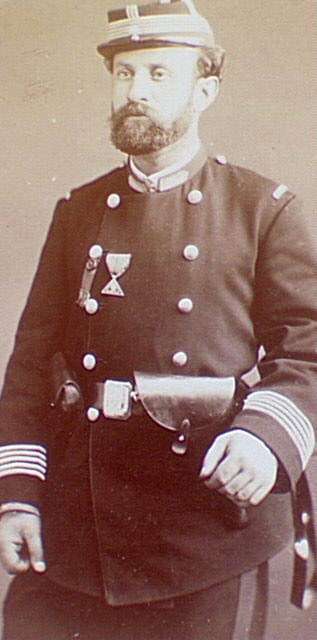
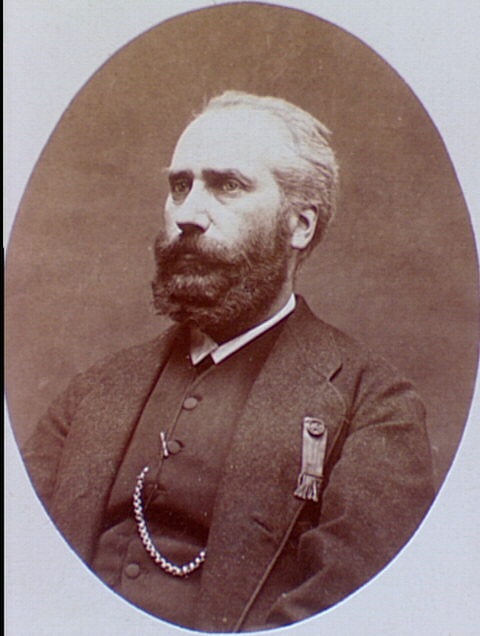
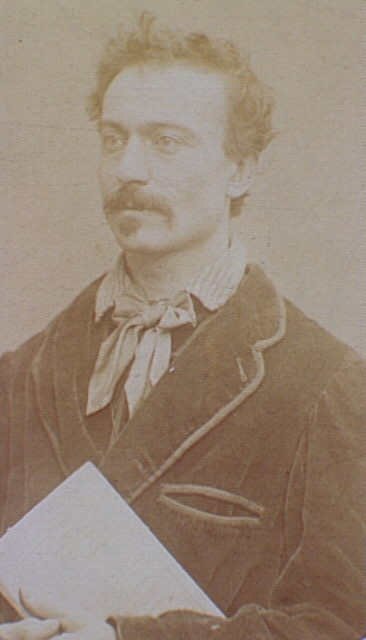
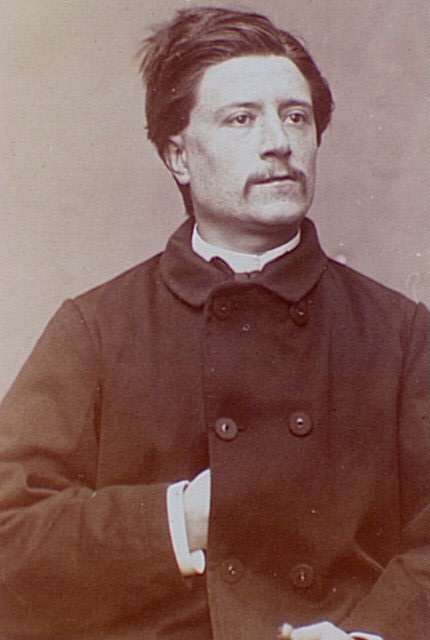
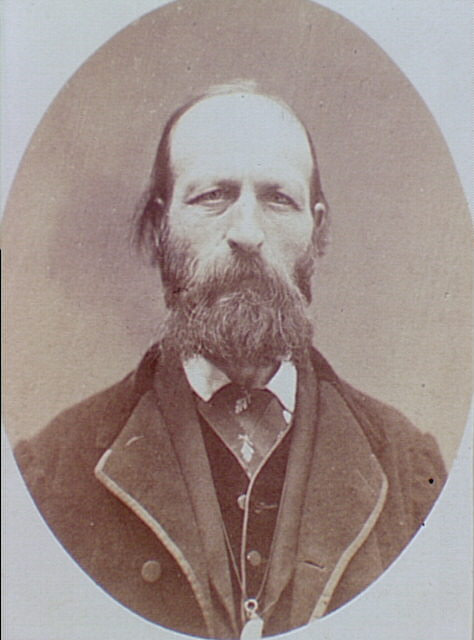
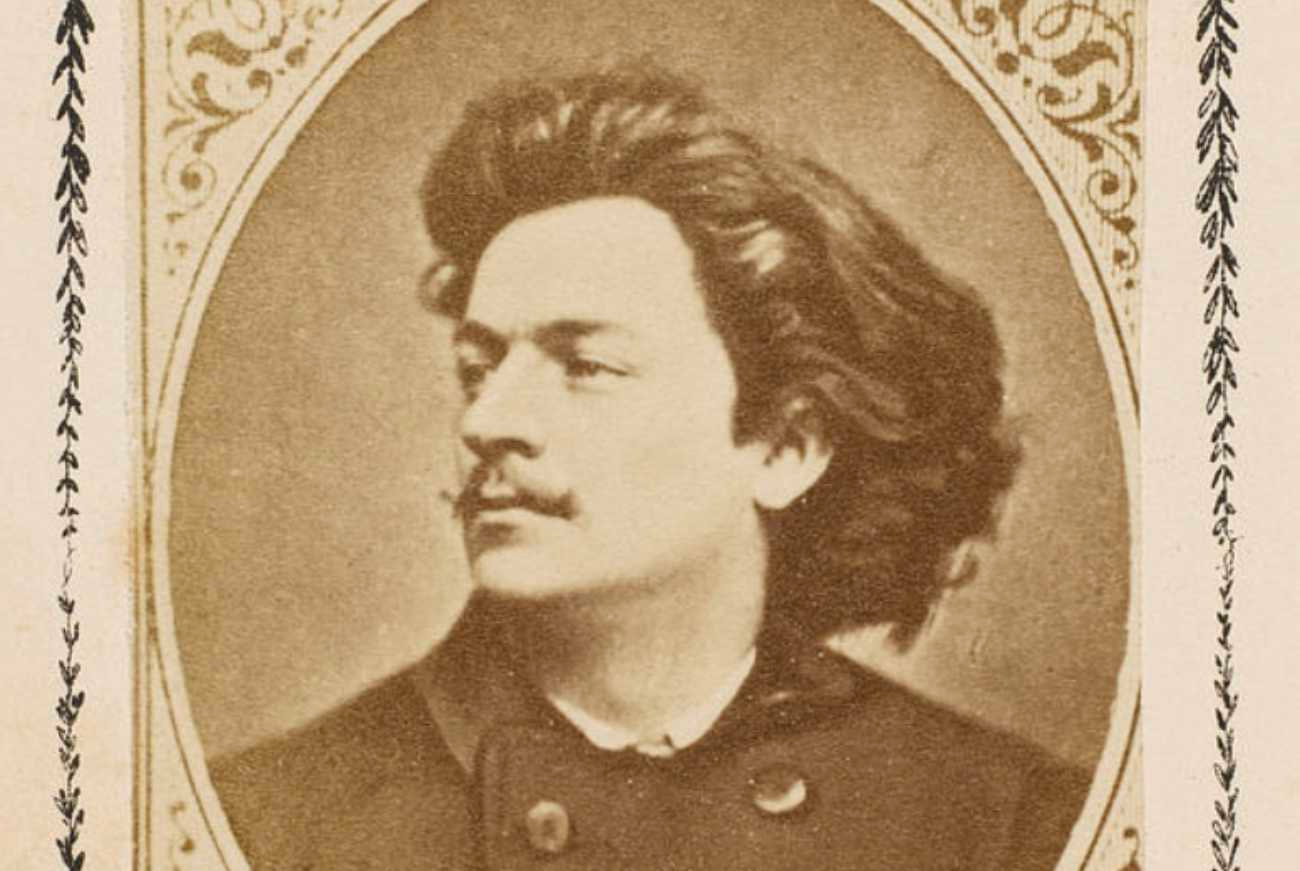
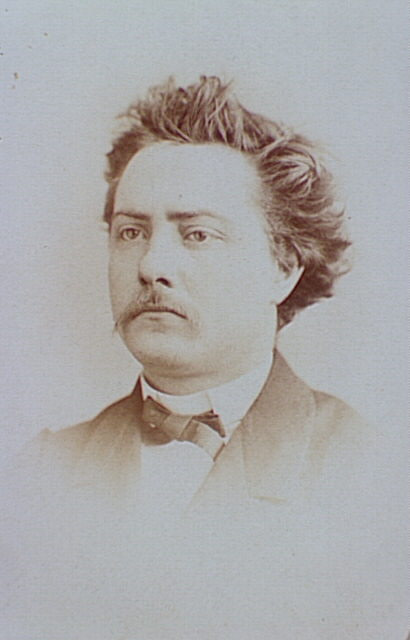
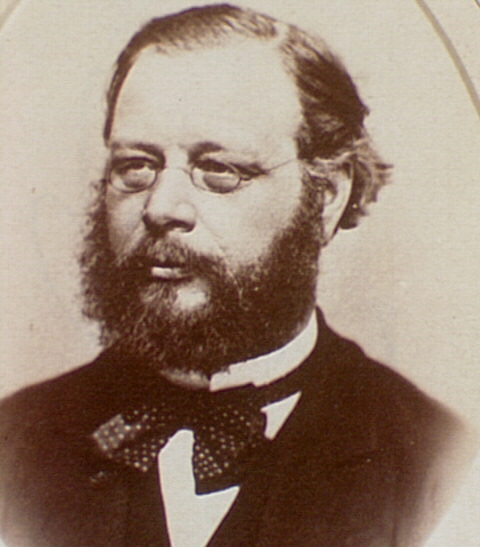
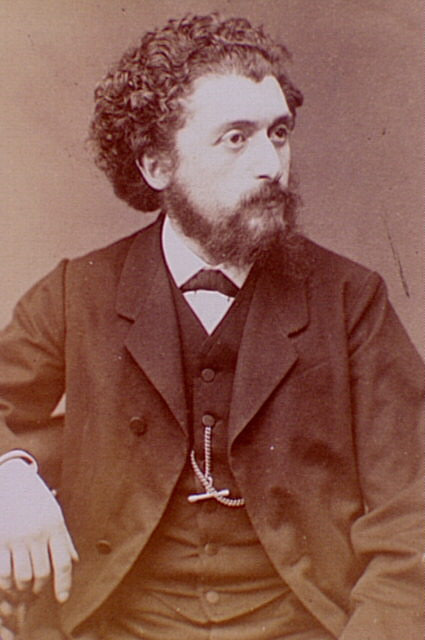
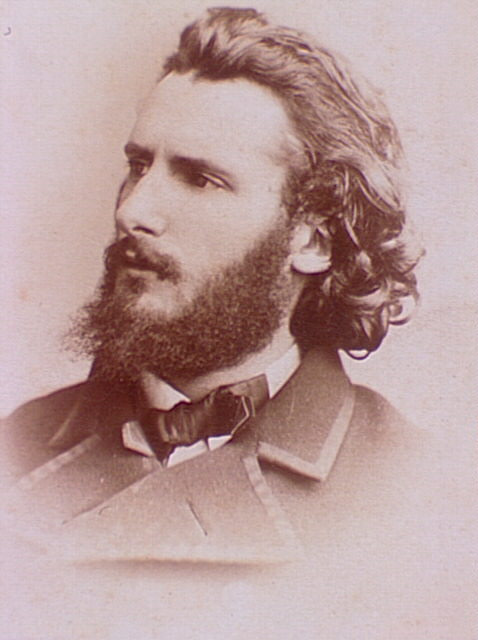
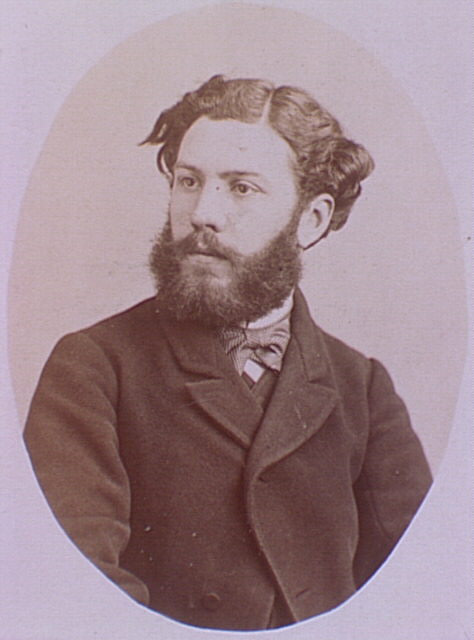
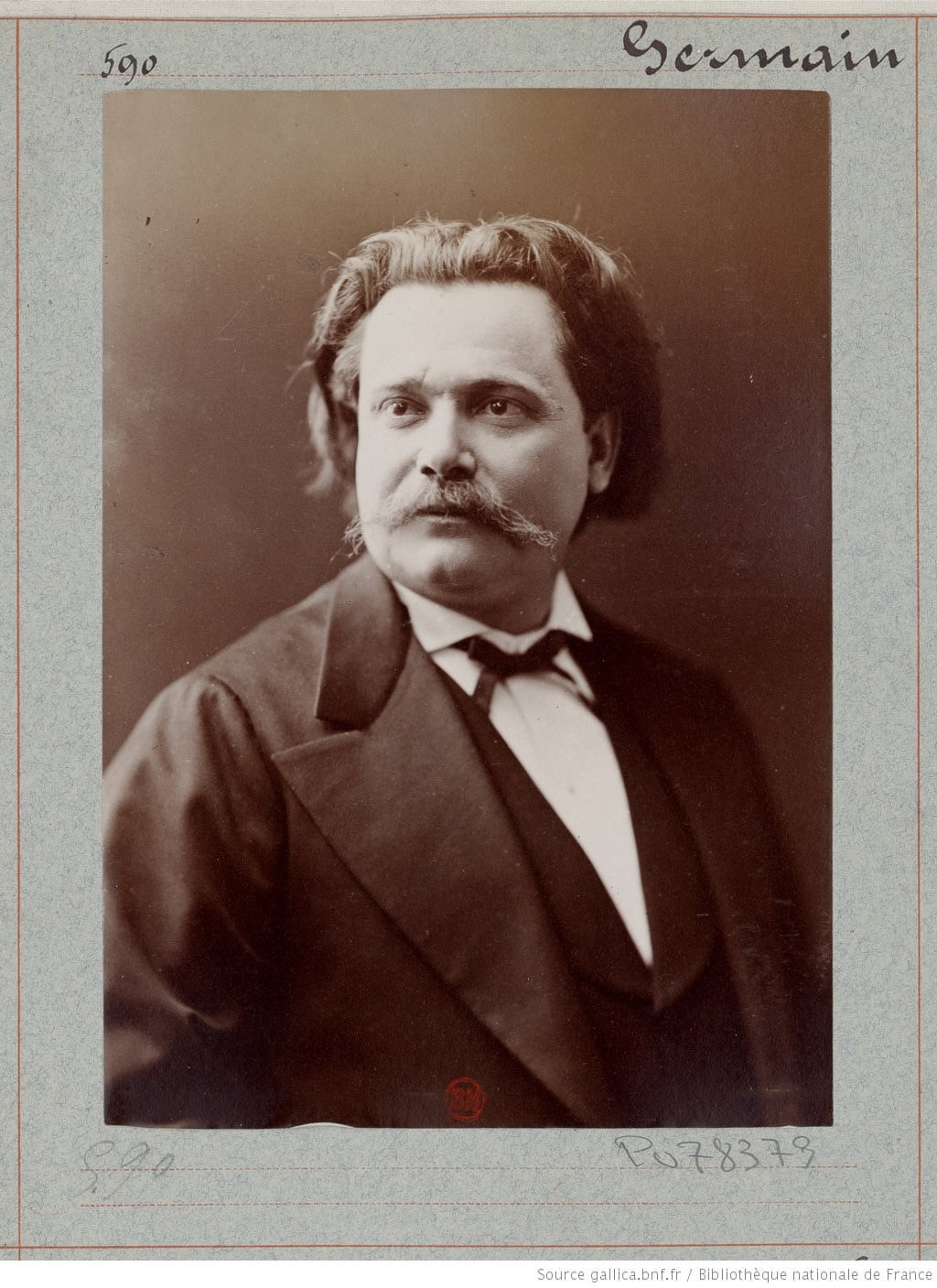
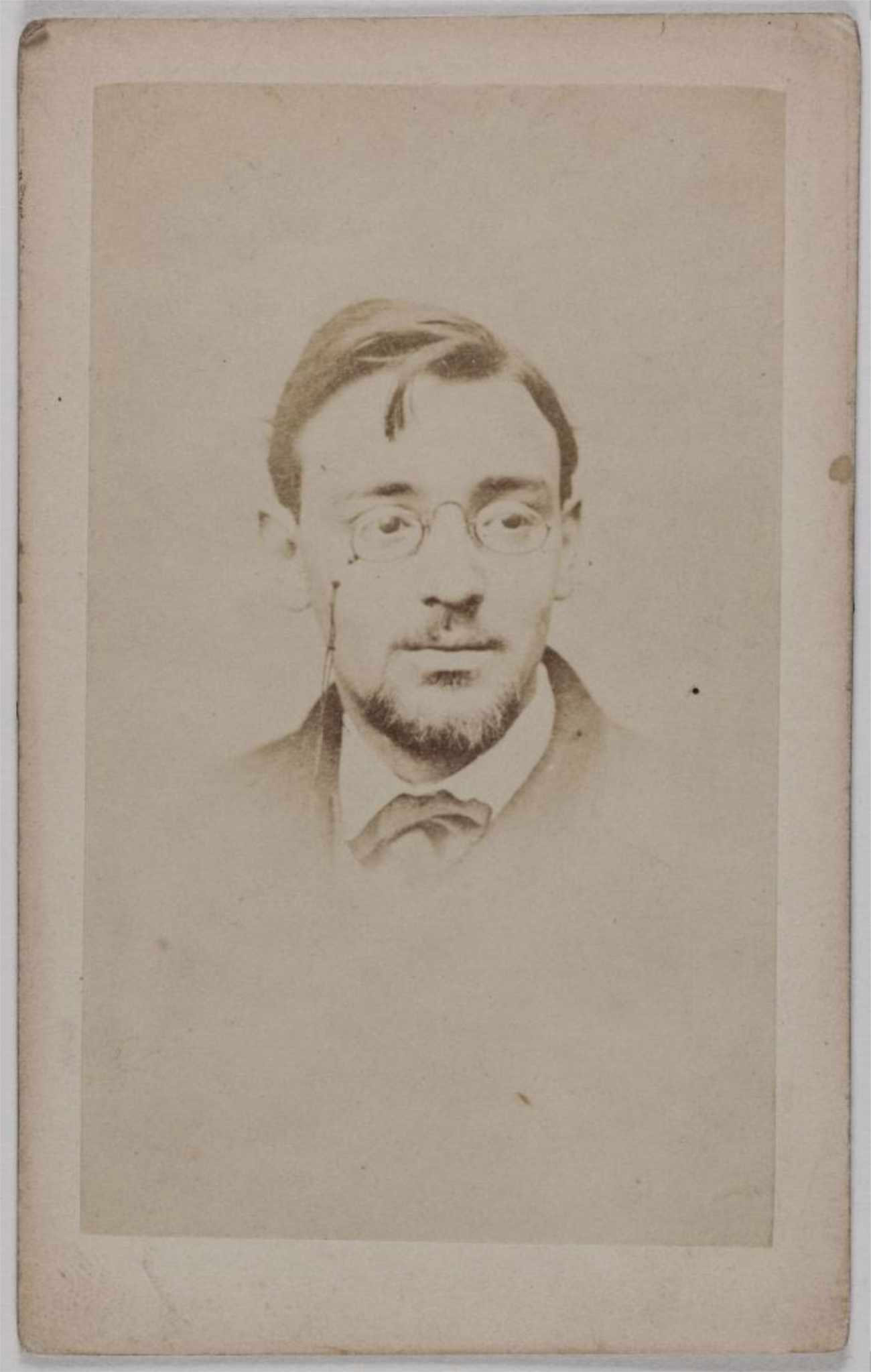
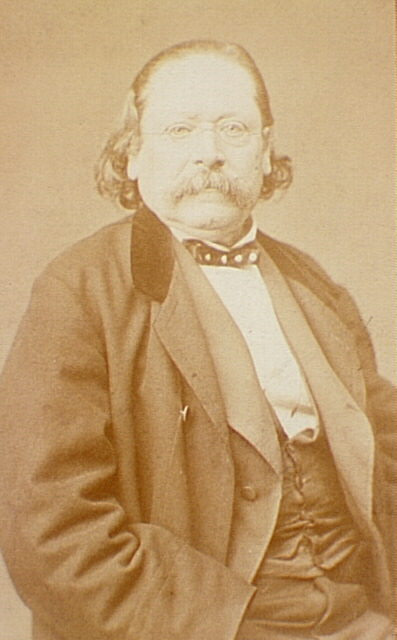
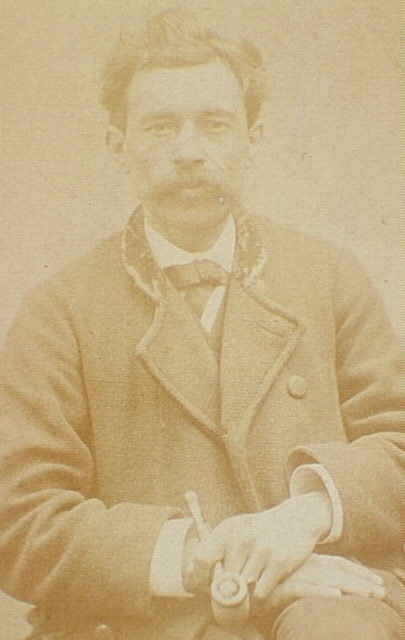
This gallery gathers the faces of the Paris Commune, a brief but transformative seventy-two-day period where the working class of Paris seized the reins of power. These portraits of the Communards offer a window into a small sample of the people who sought to build a “Universal Republic.”
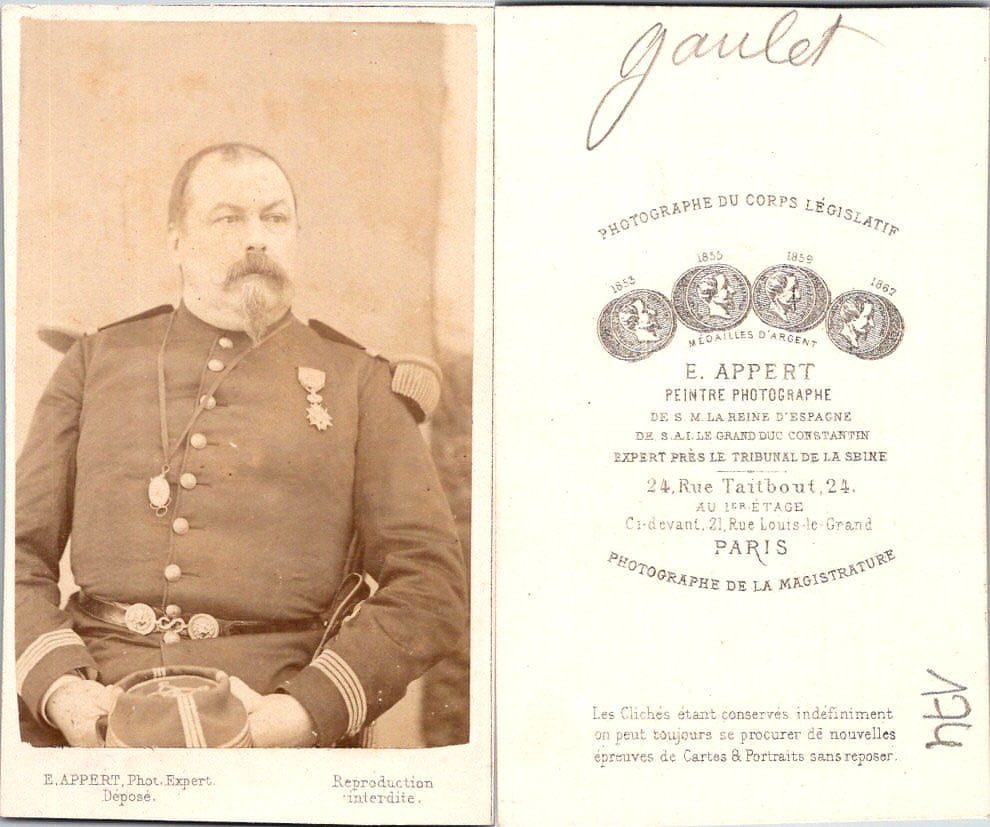
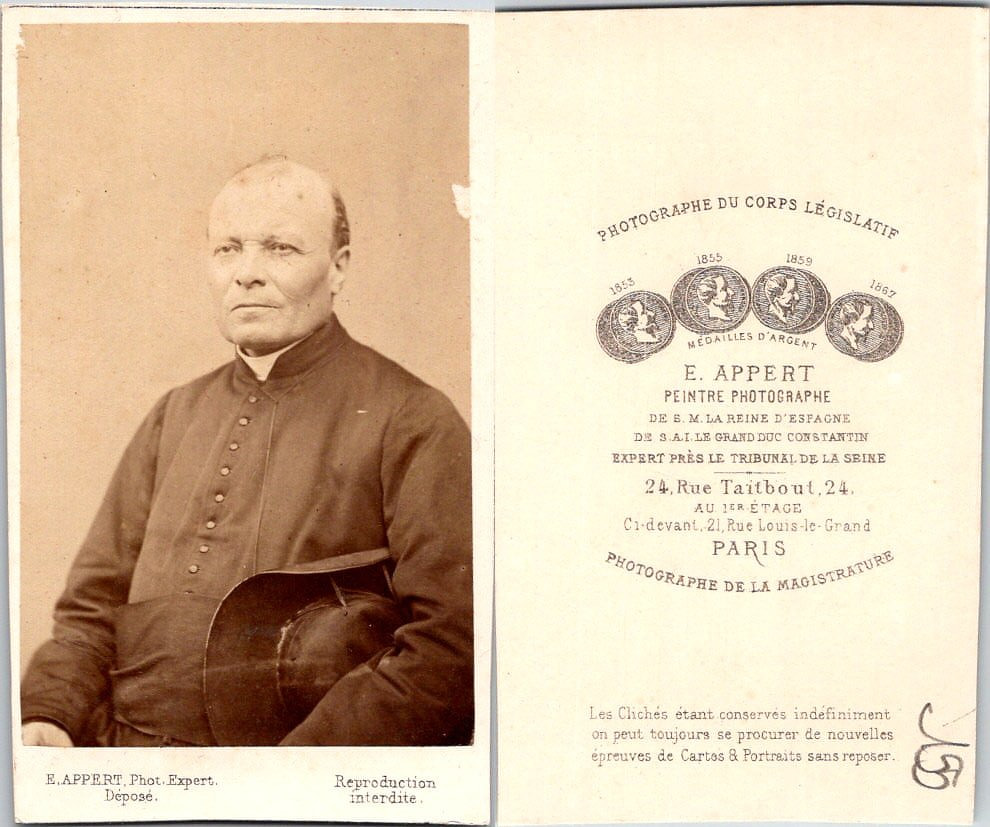
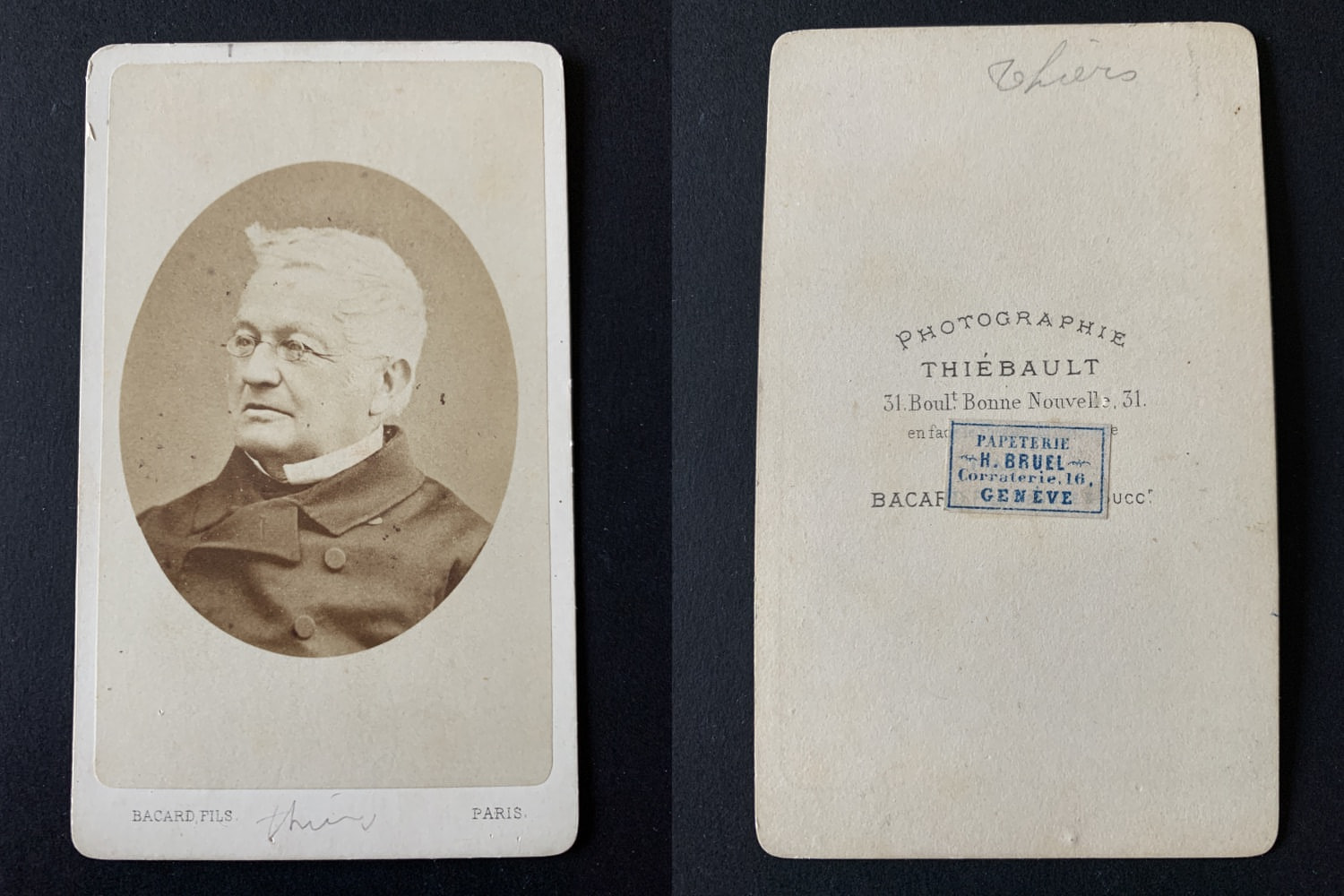
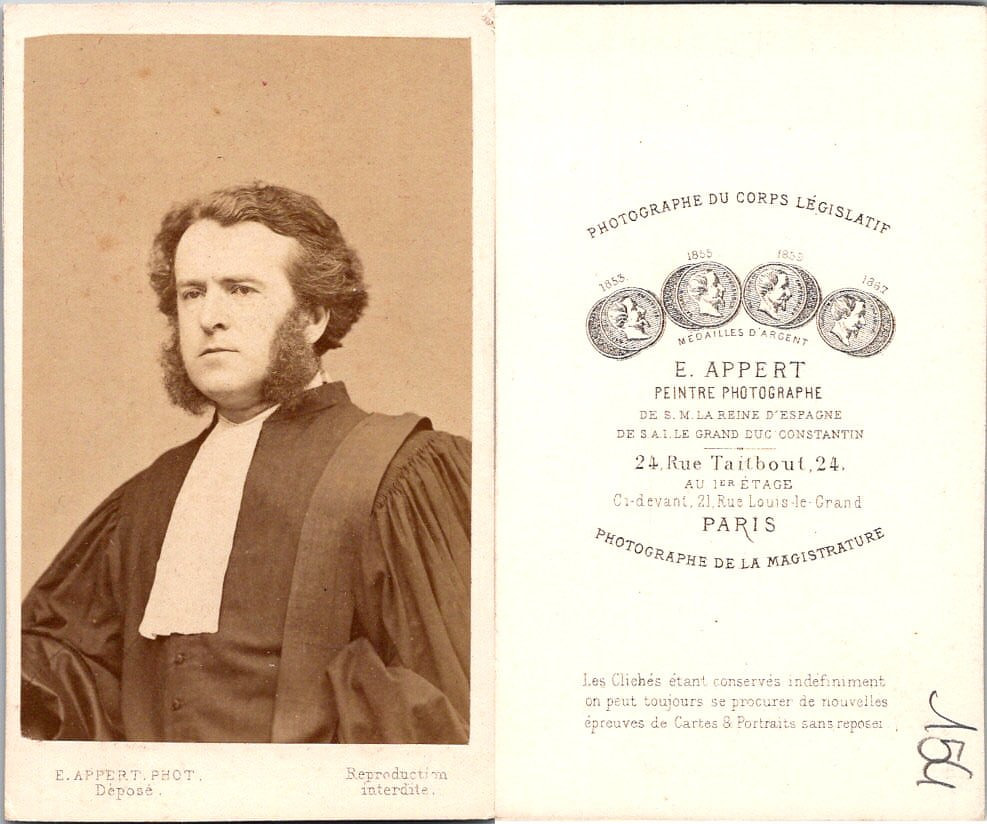
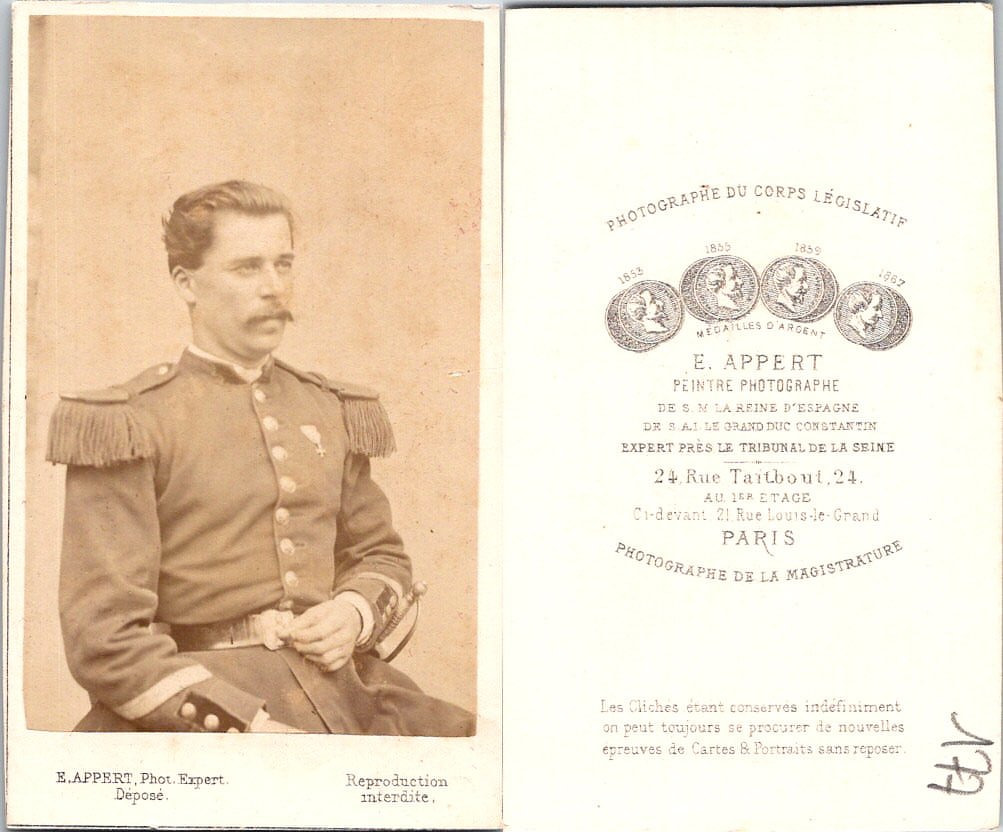
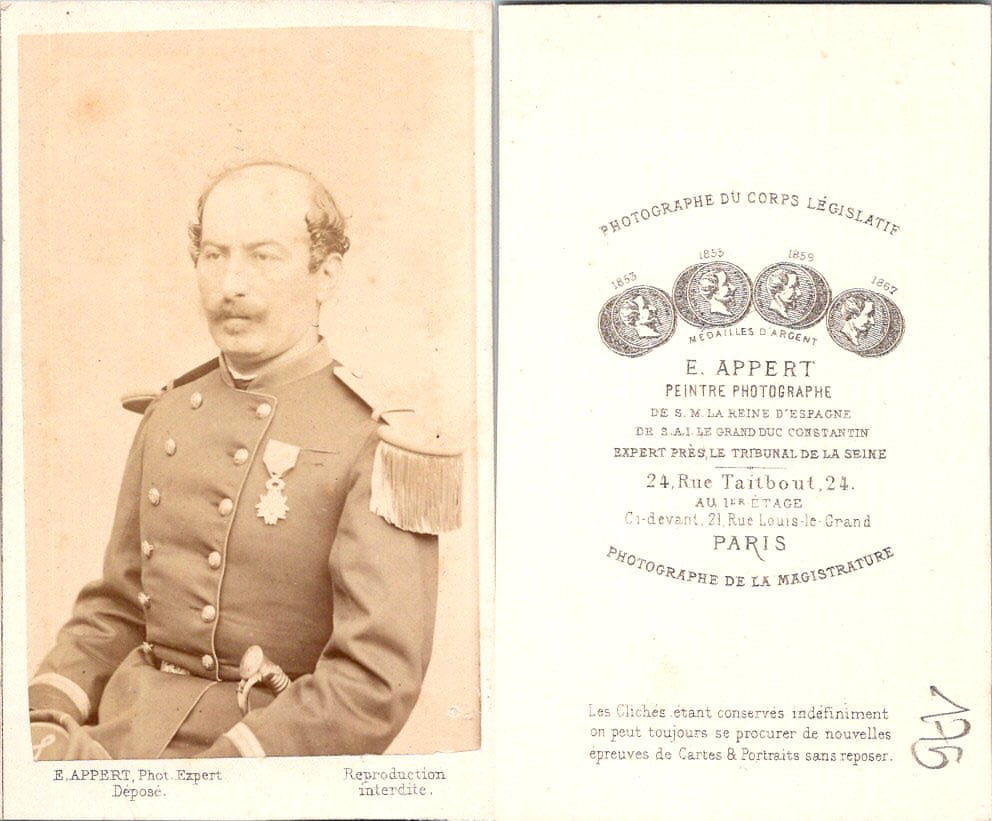
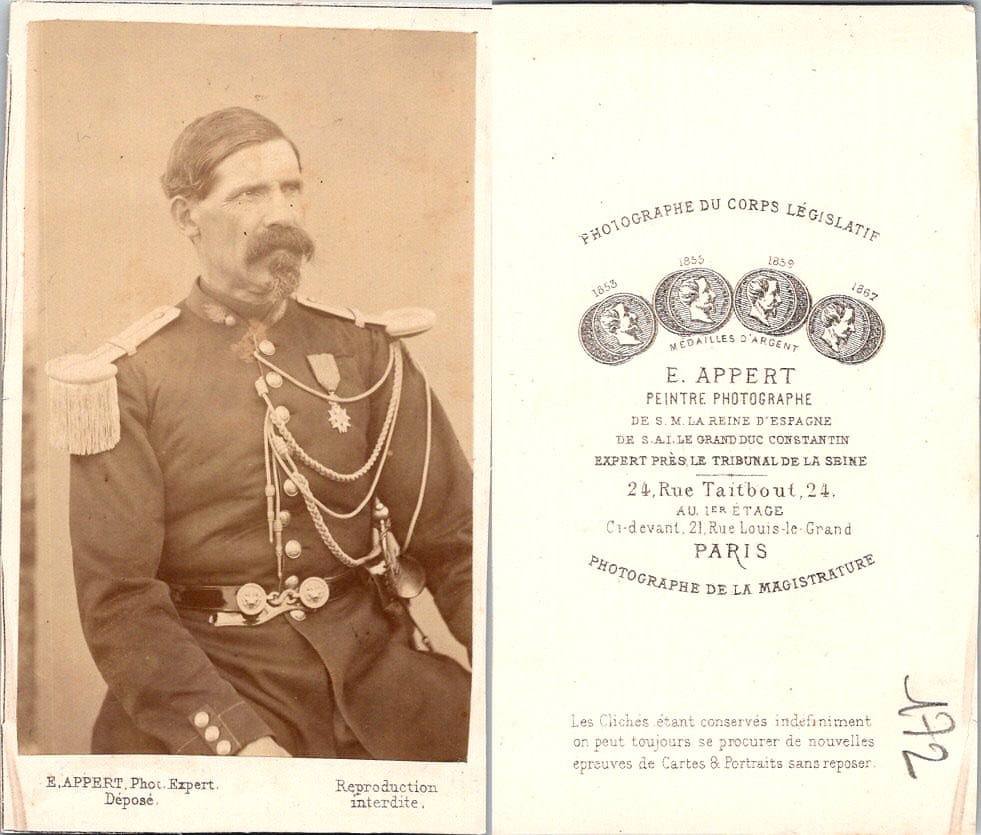
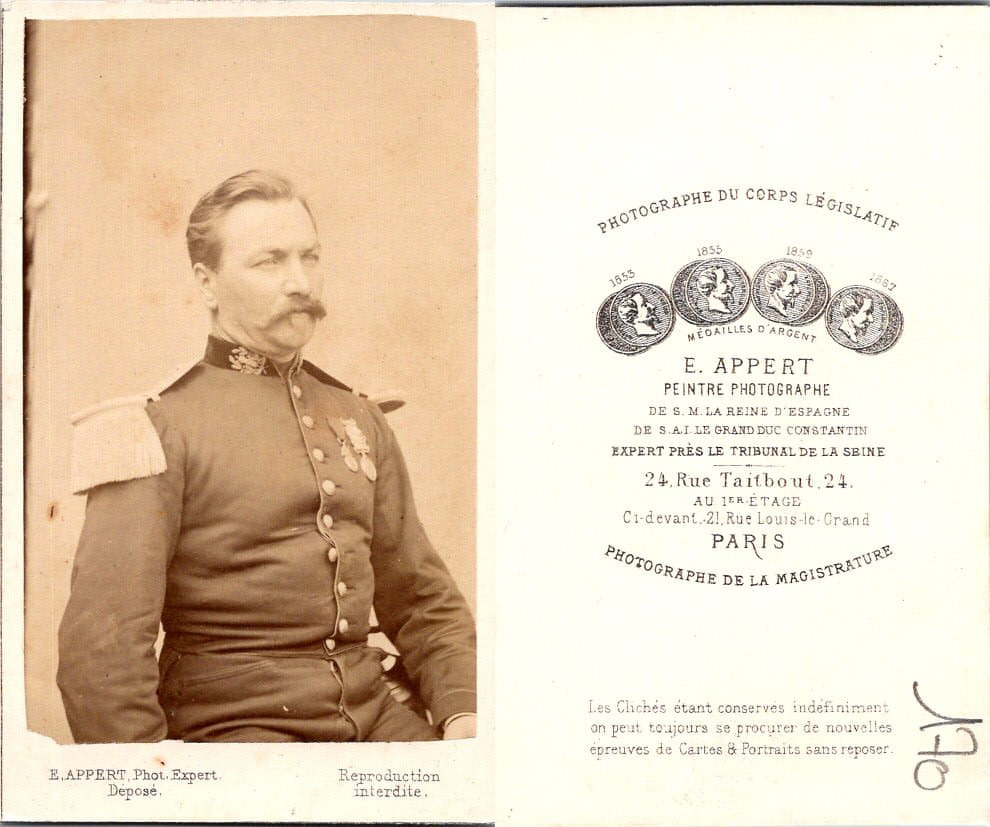
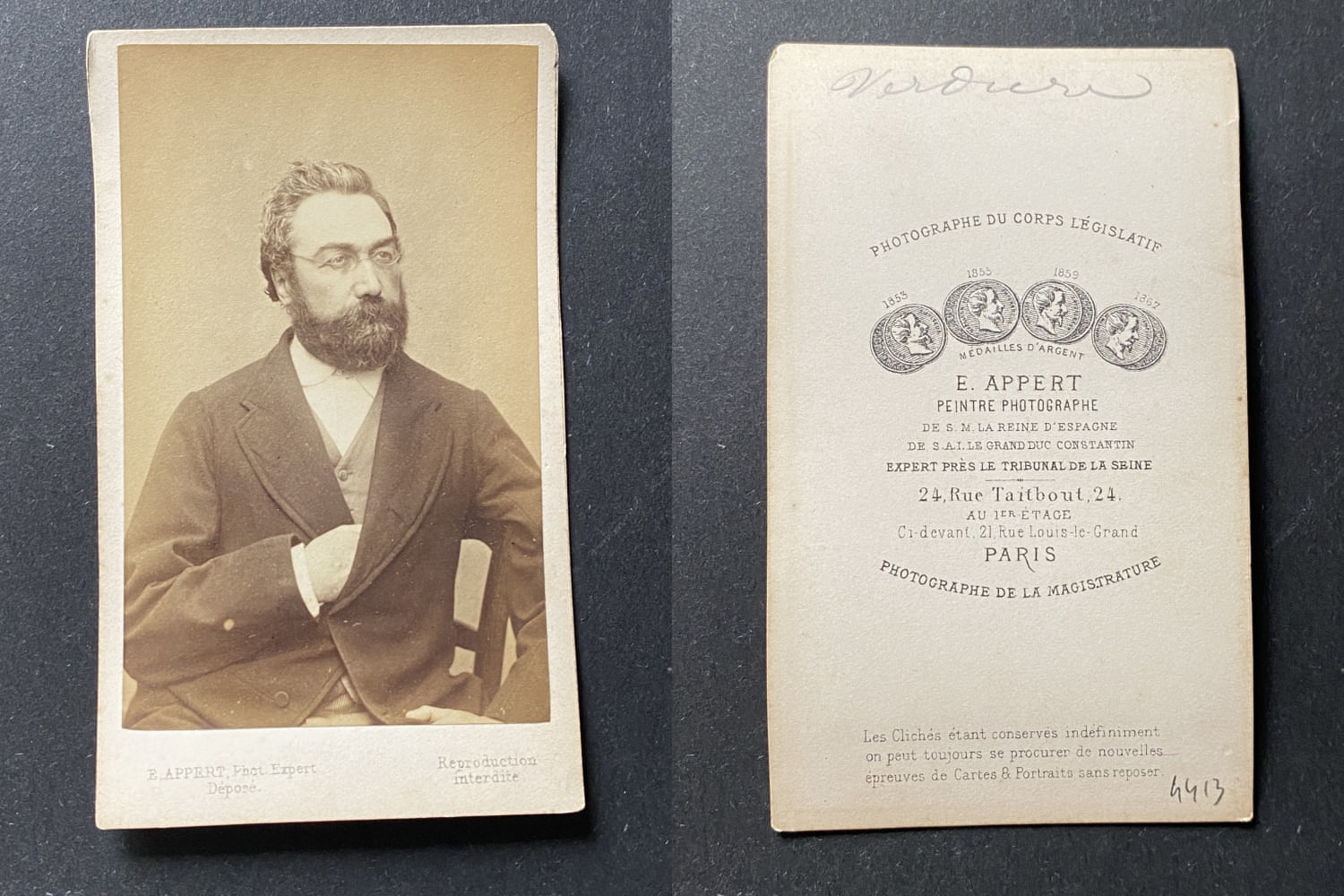
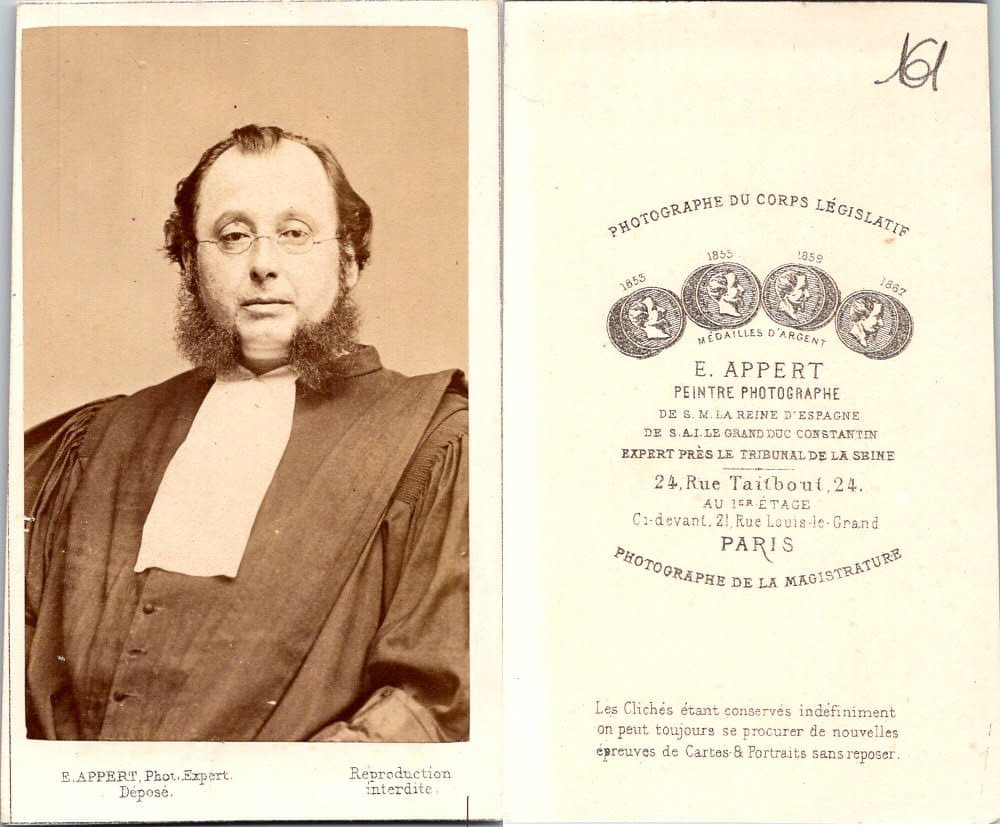
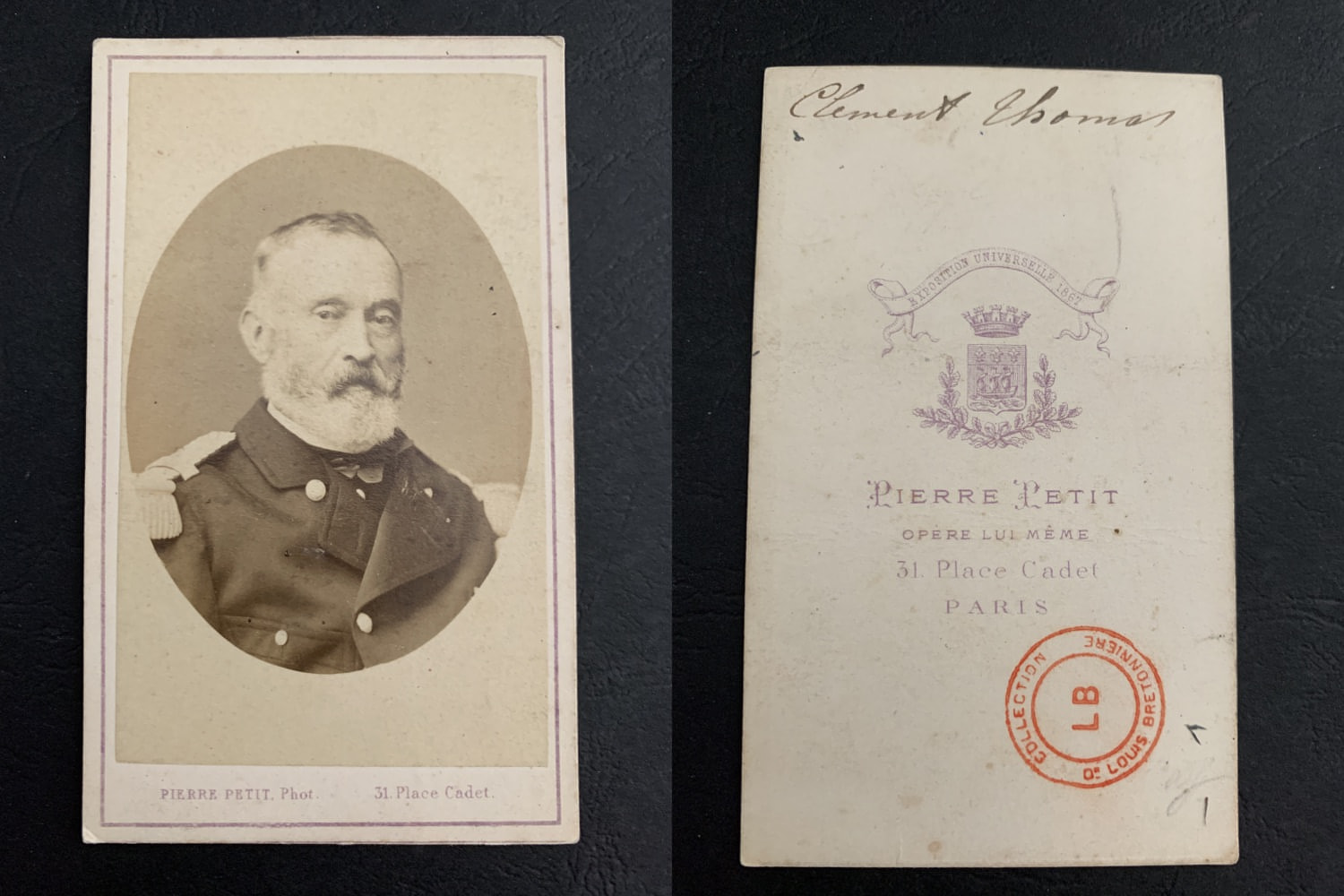
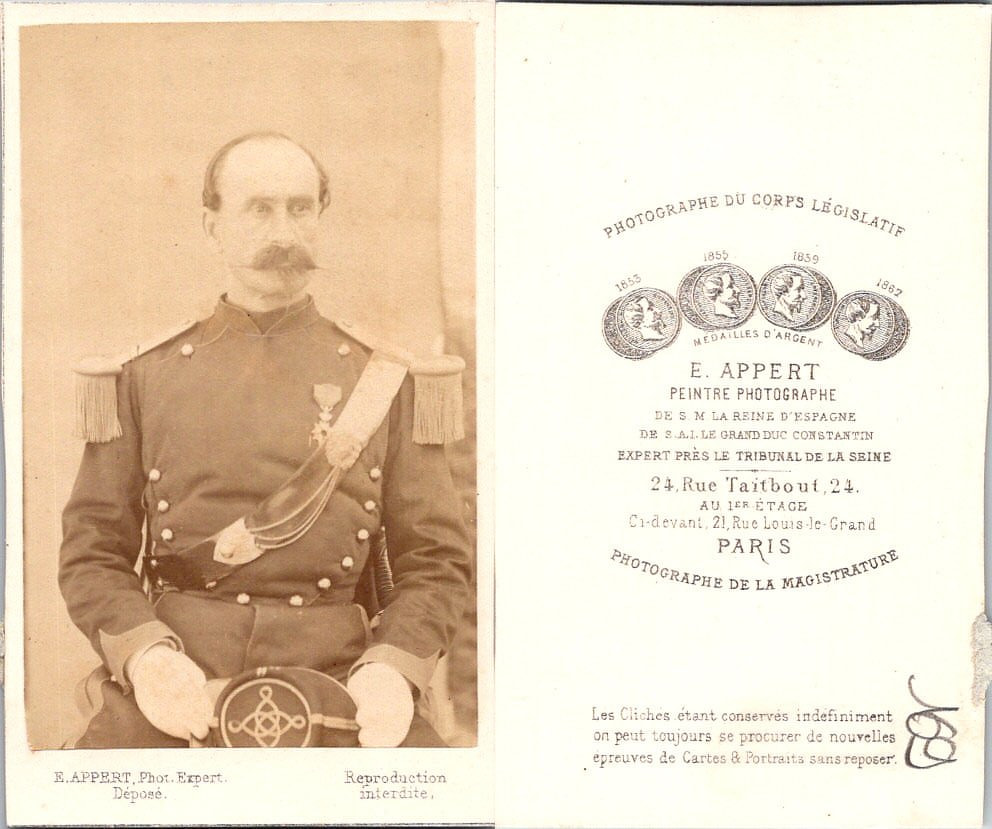
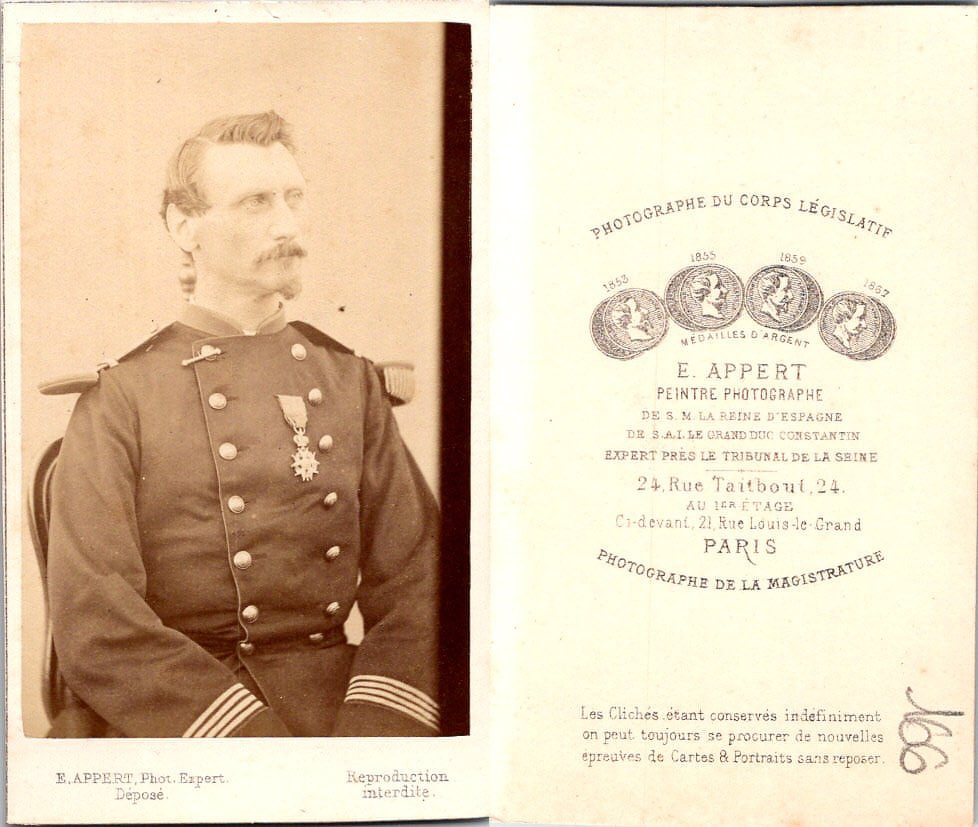
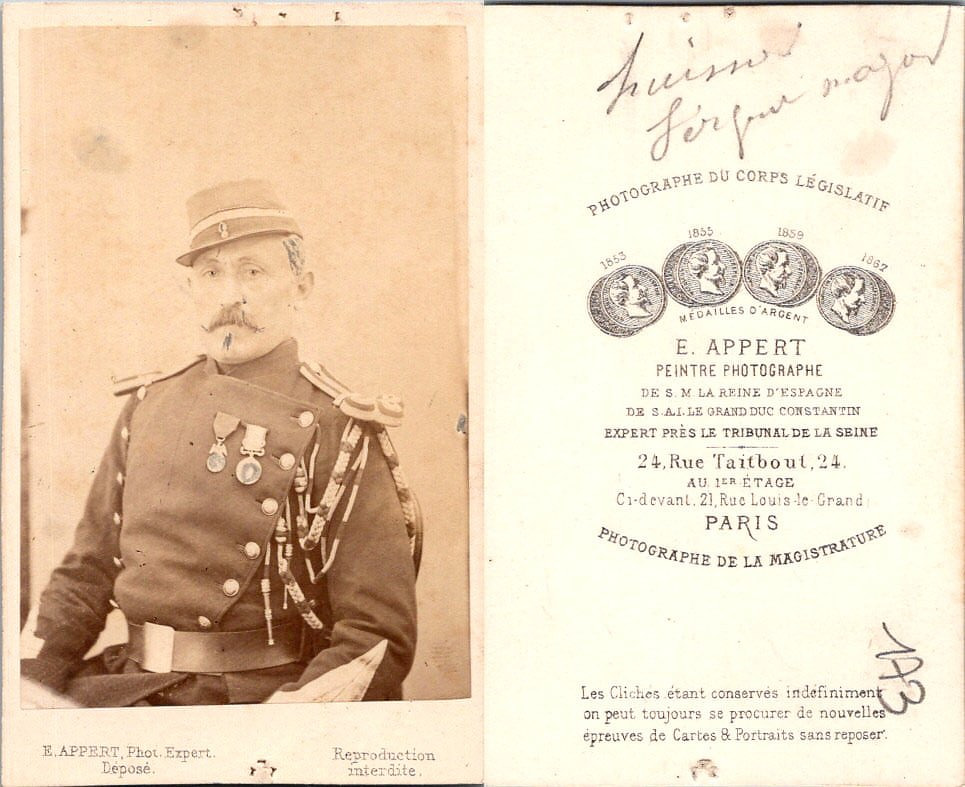
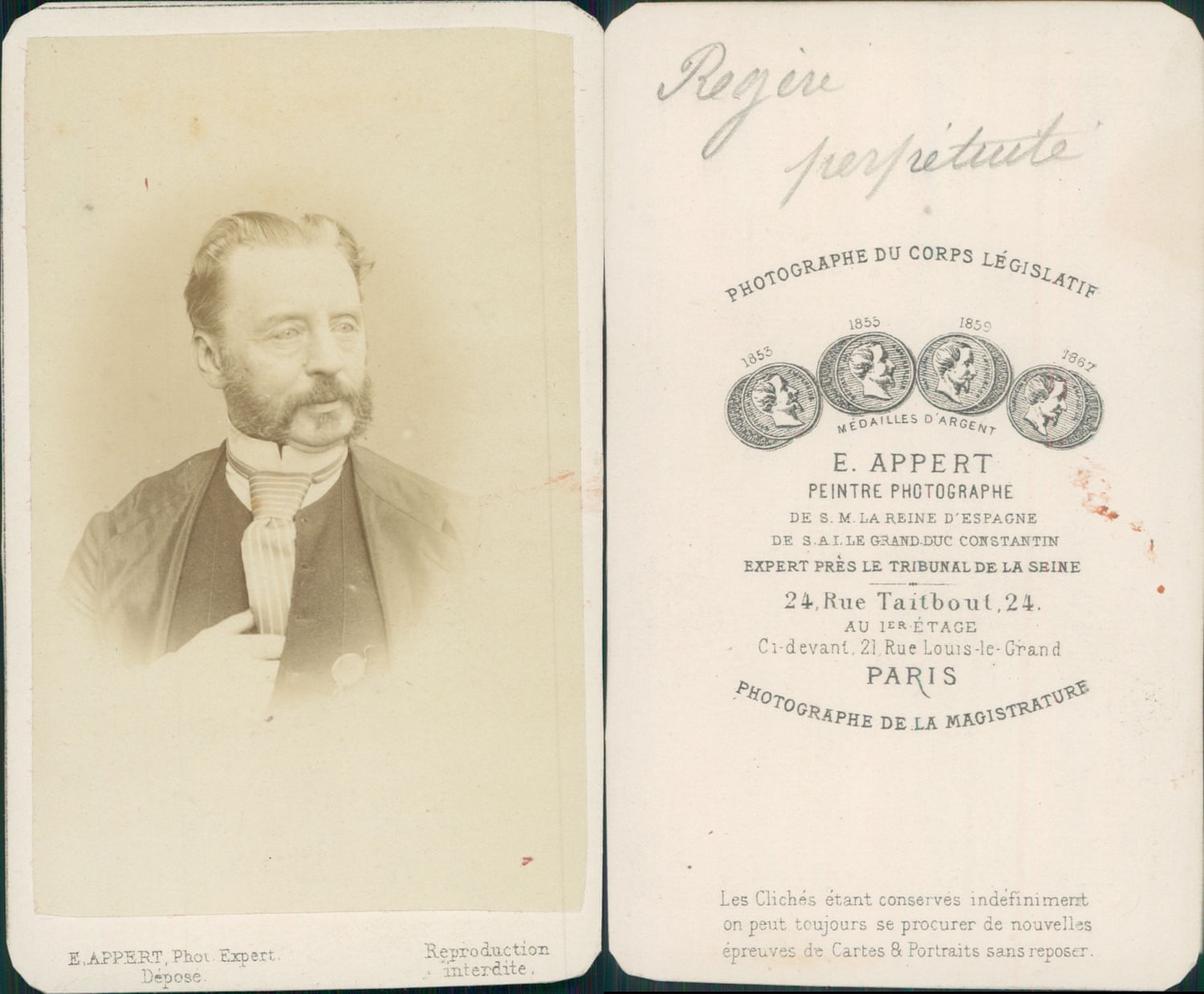
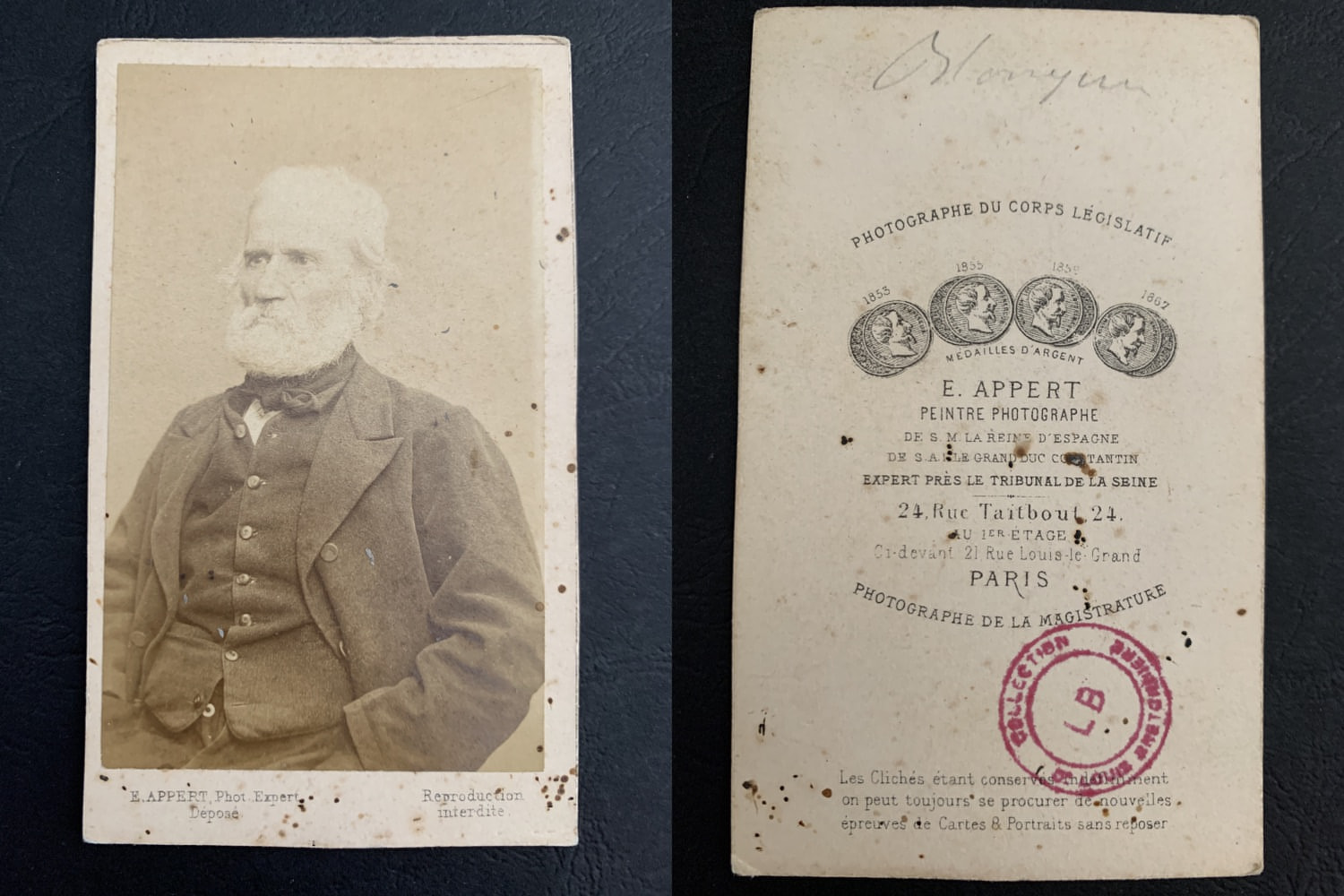
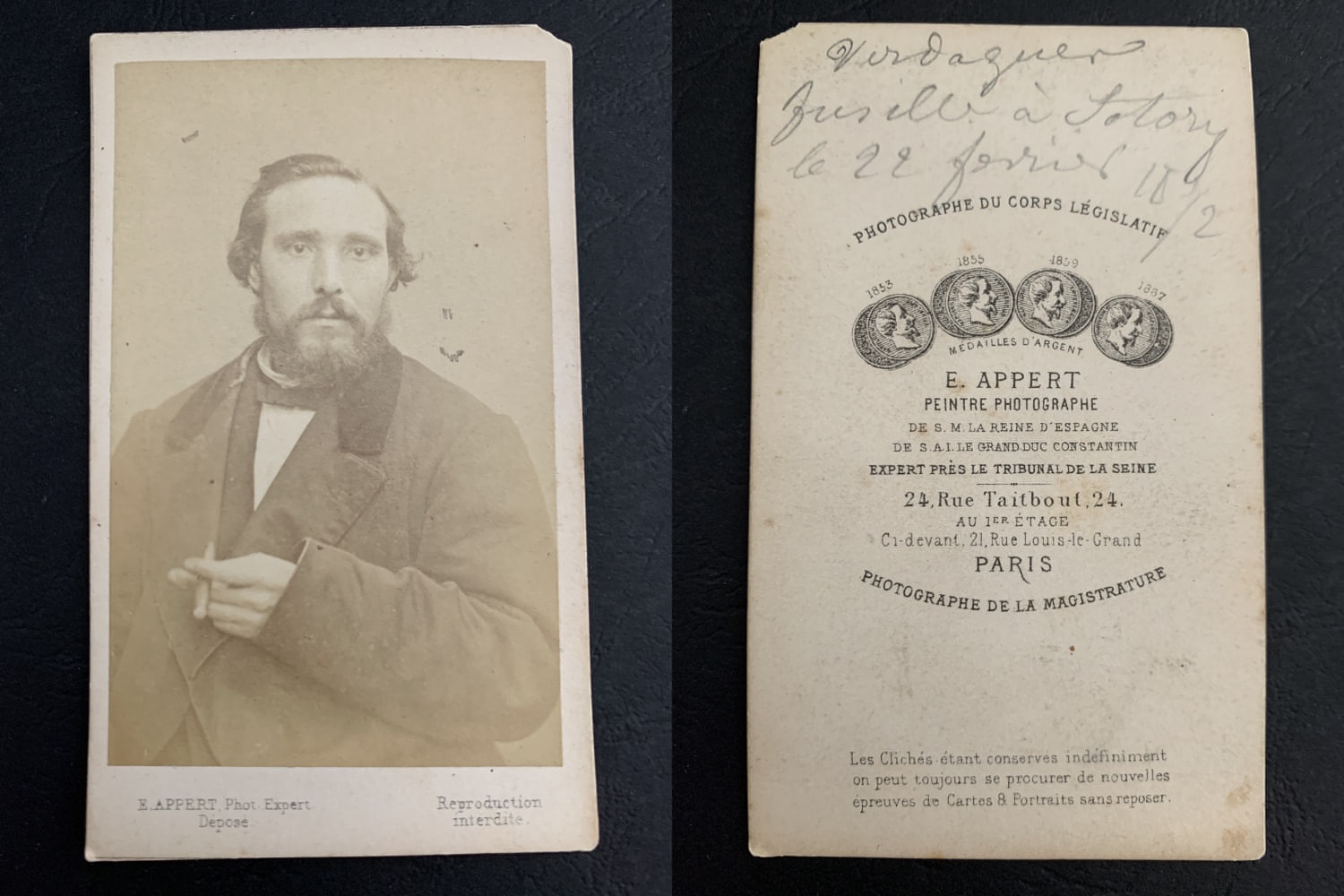
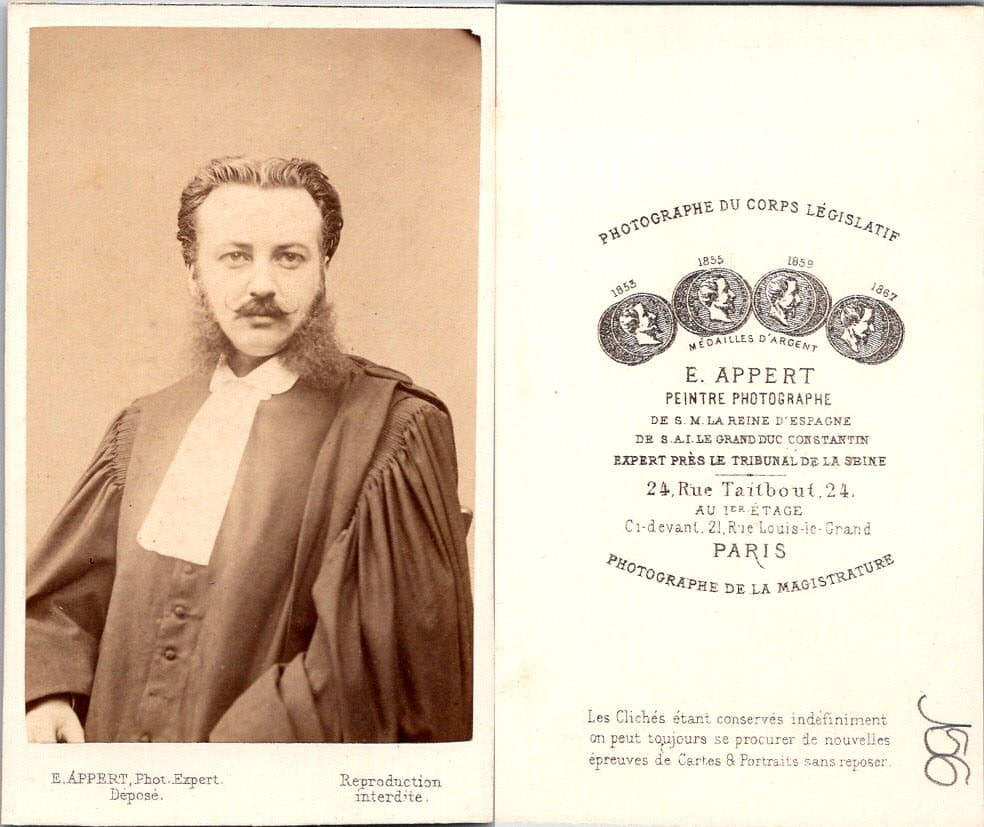
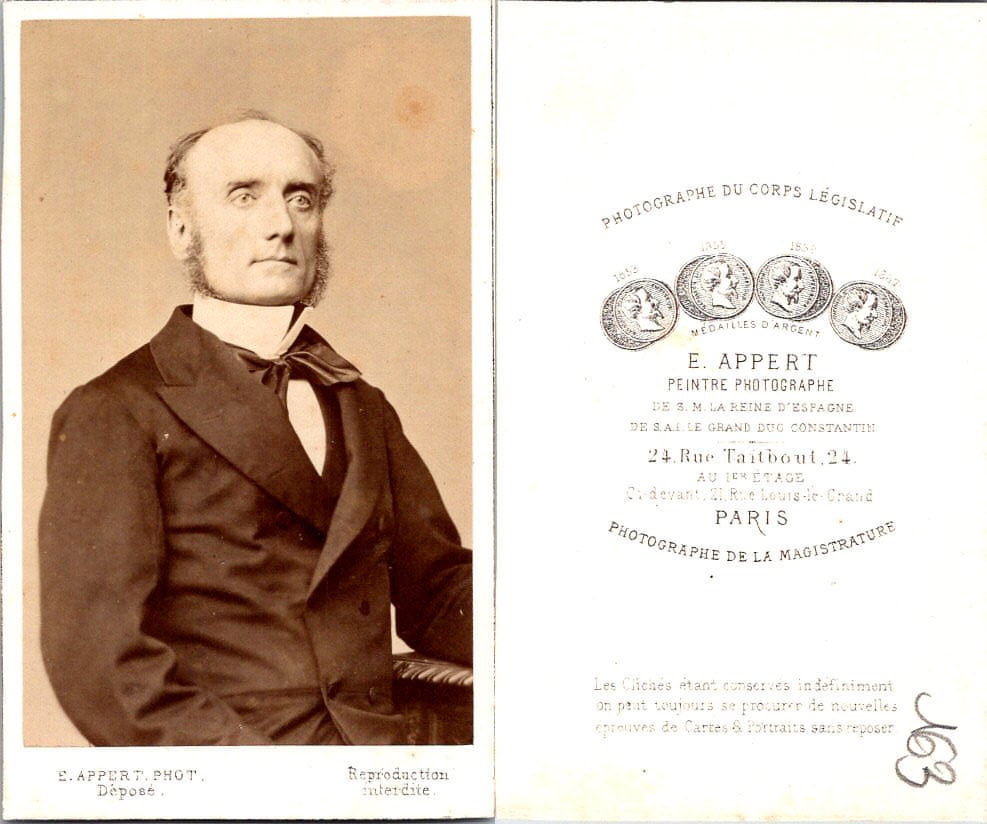
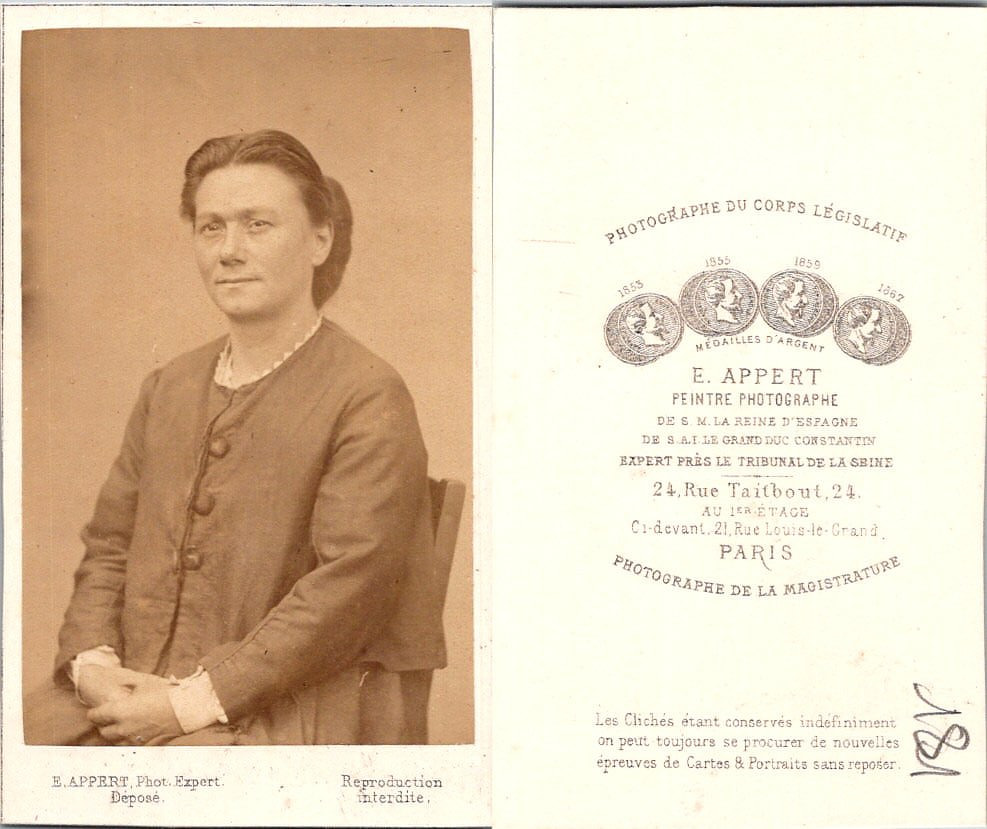
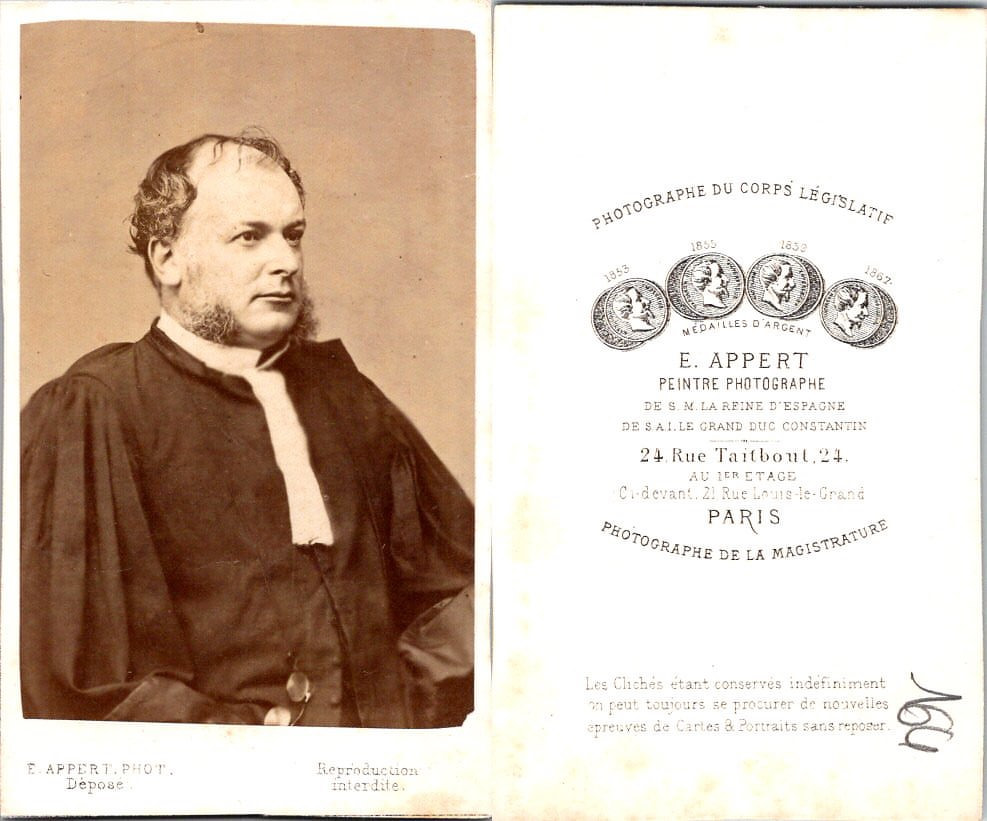
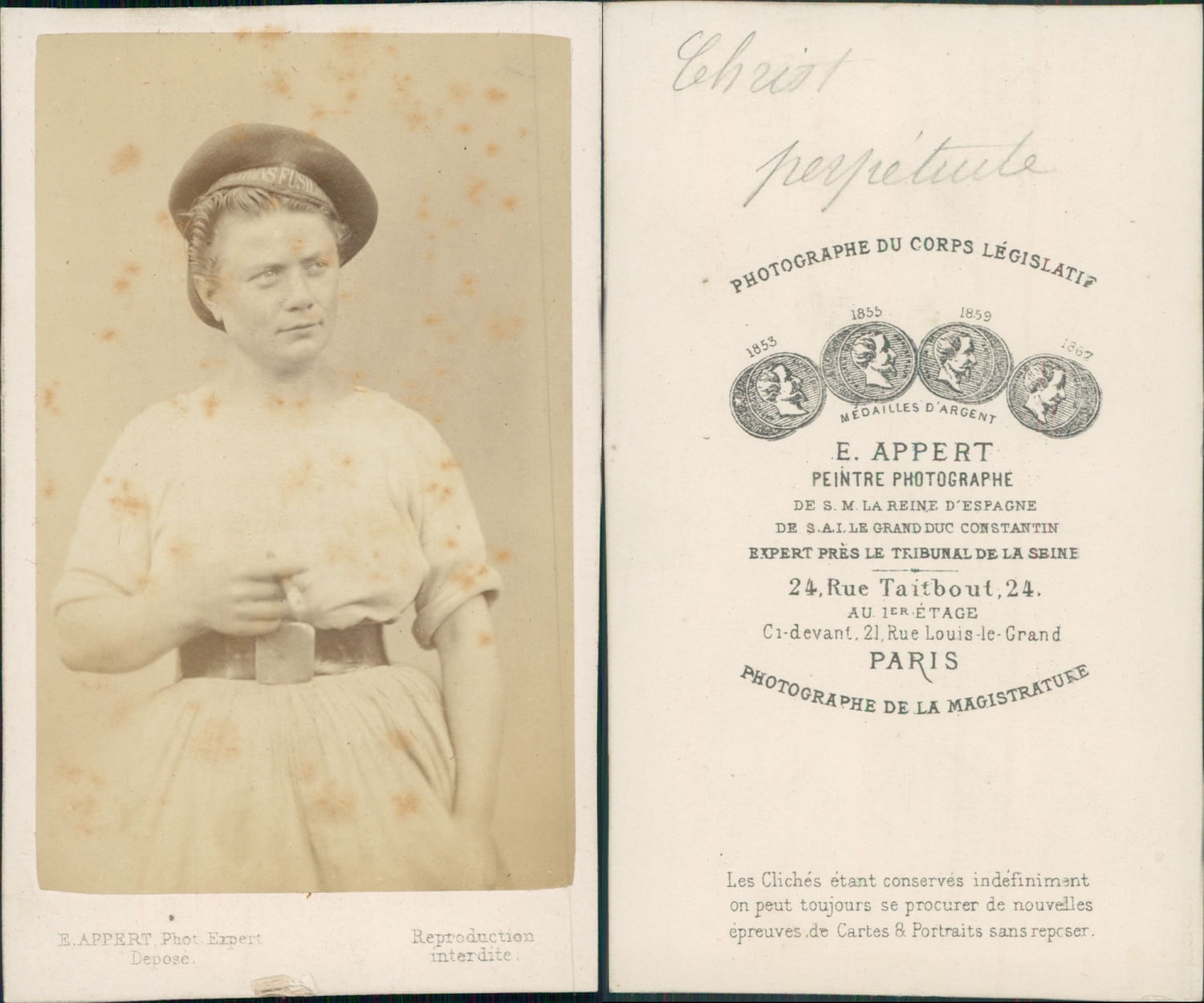
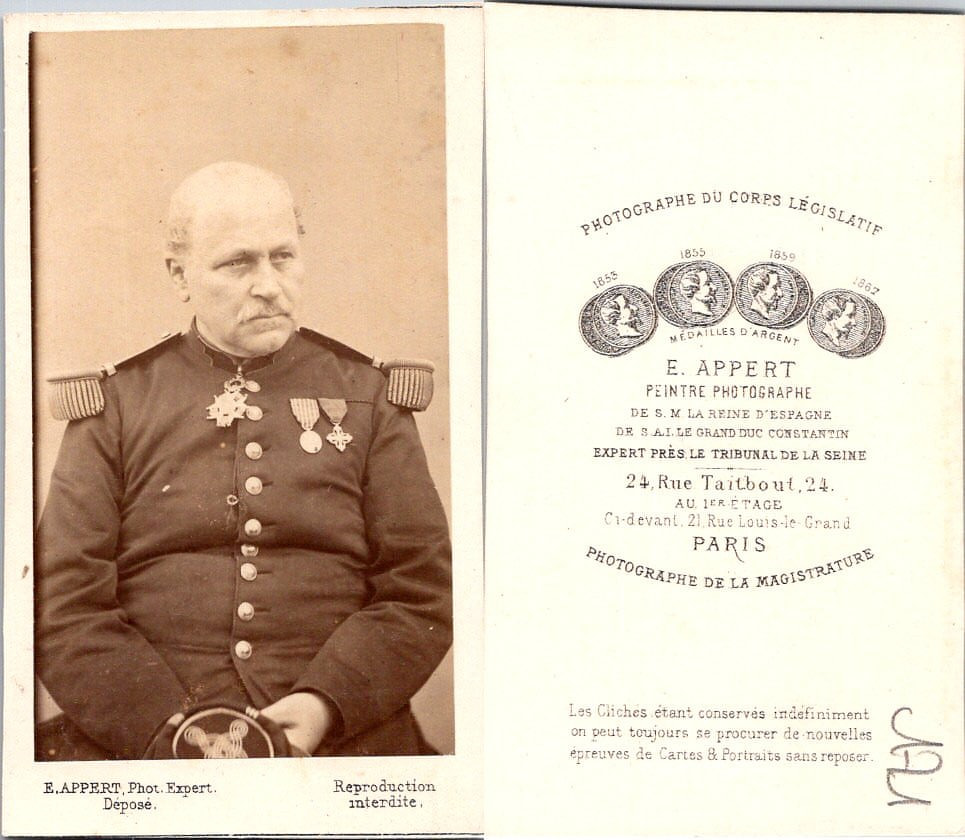
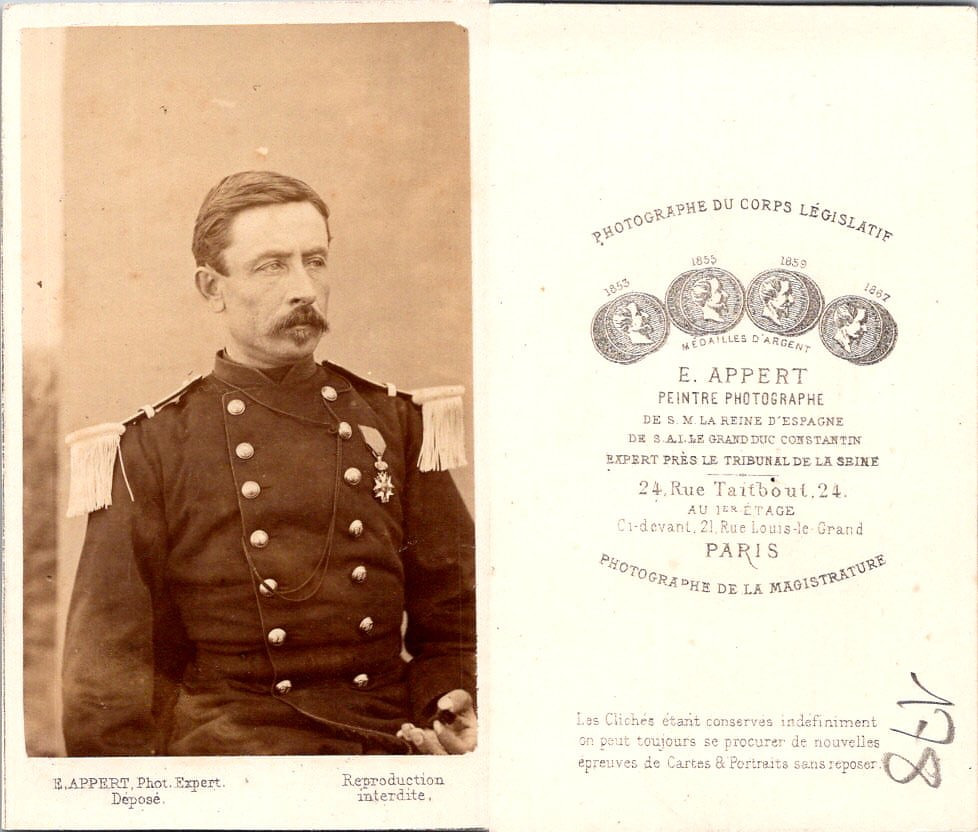
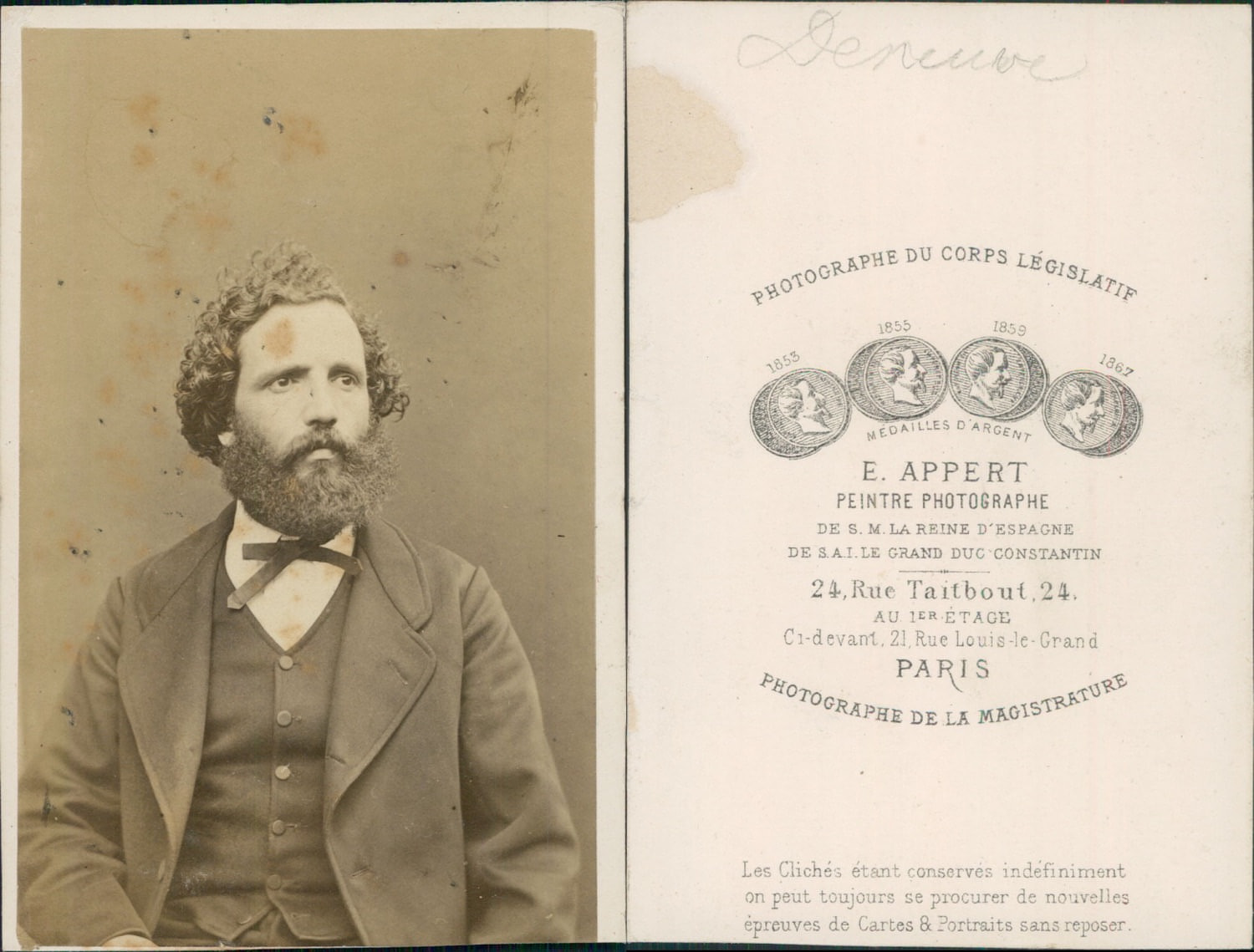
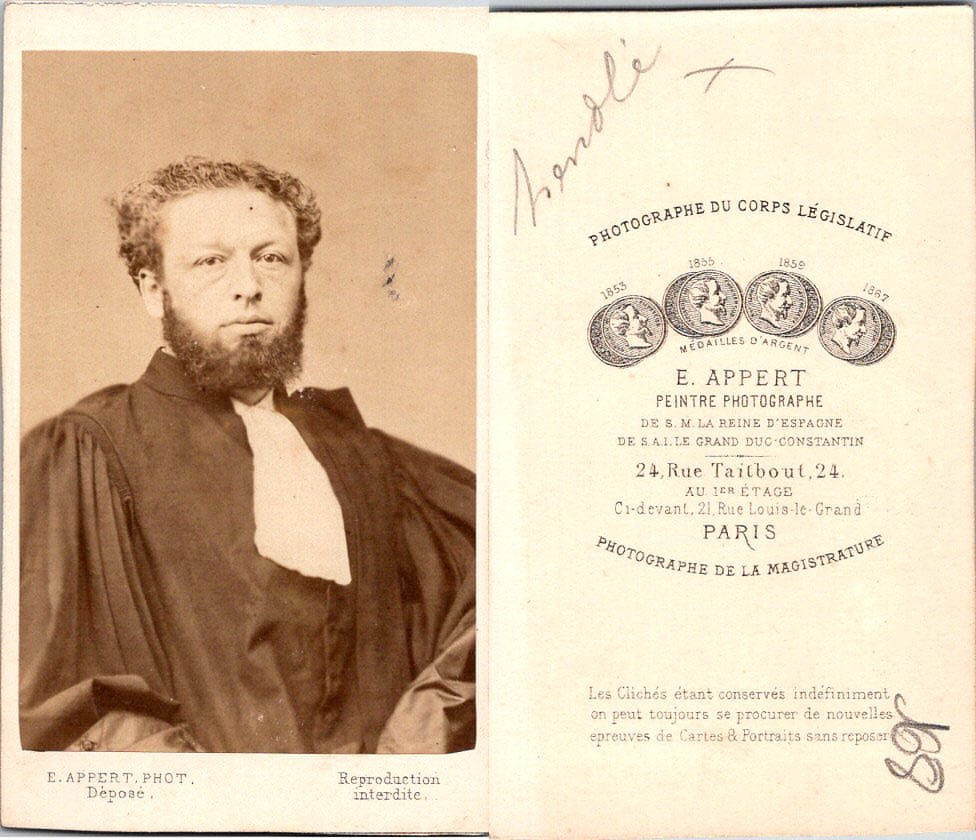
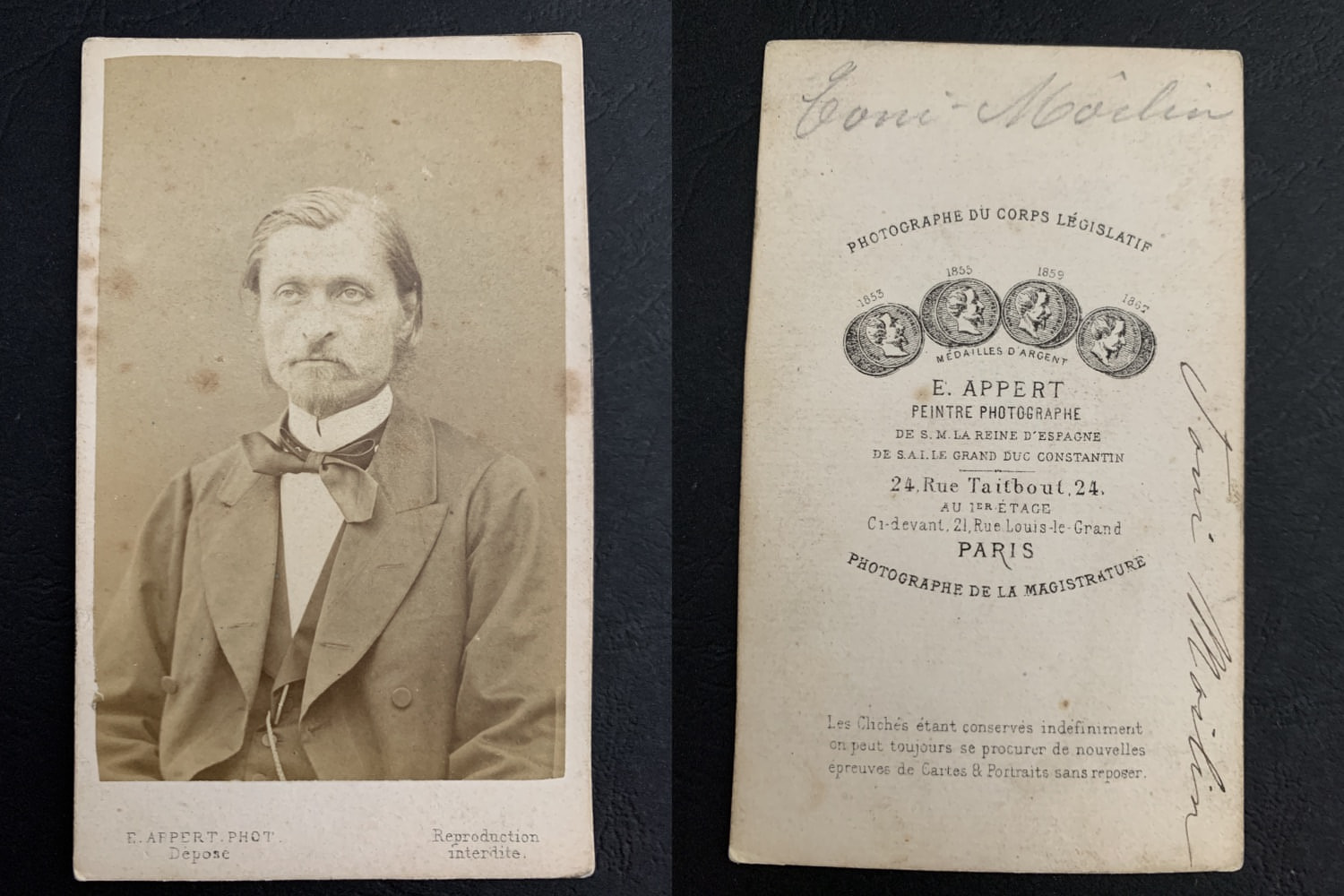
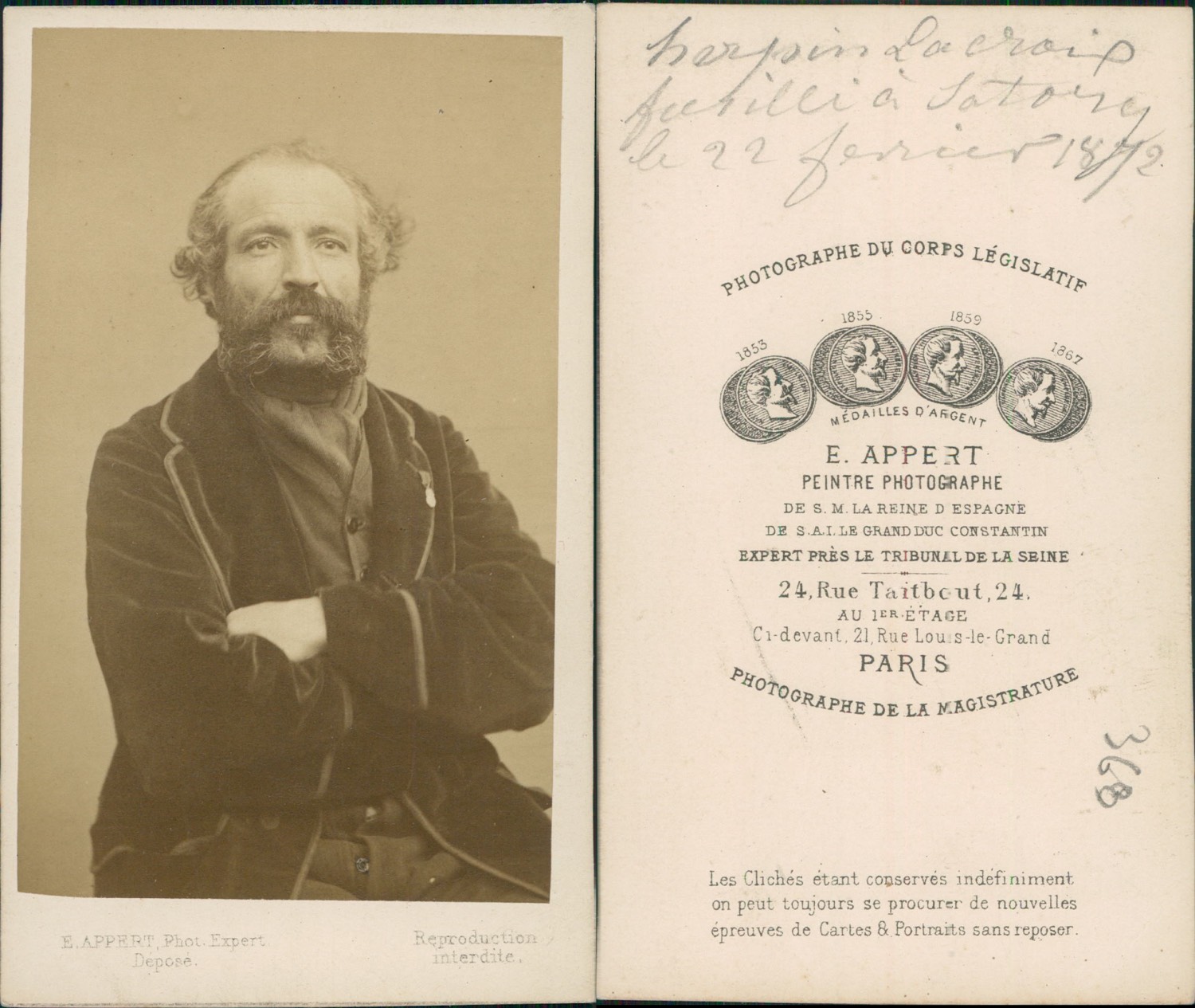
Some of these photos are cartes de visites (CDVs), small postcard portraits that citizens offered to one another in an era when photography was beginning to move from the elite studio to the streets. However, portraits were still expensive and therefore impossible for many Parisians barely surviving in 1871, and so whilst some of the acting members of the Commune were photographed for CDVs, following the Commune’s defeat, photographer brothers Ernest and Eugene proposed to the Versailles government a new project to document the unphotographed defeated.
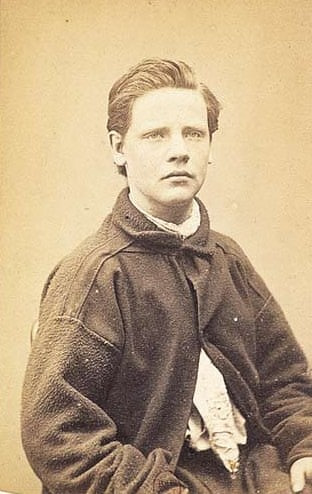
The Appert brothers accordingly gained exclusive access to the Versailles prisons, where thousands of Communards – exhausted, wounded, and facing certain execution or exile – sat in wait. The Appert brothers’ motivations were far from compassionate; they were commissioned by the Versailles government to create a gallery for police identification, physiognomists and voyeurs. The Appert brothers enlisted the help of the broken Communards by offering them copies to give to their families – many of whom did not even know if their imprisoned relatives were dead or alive – in exchange for signing over their rights to their own images.
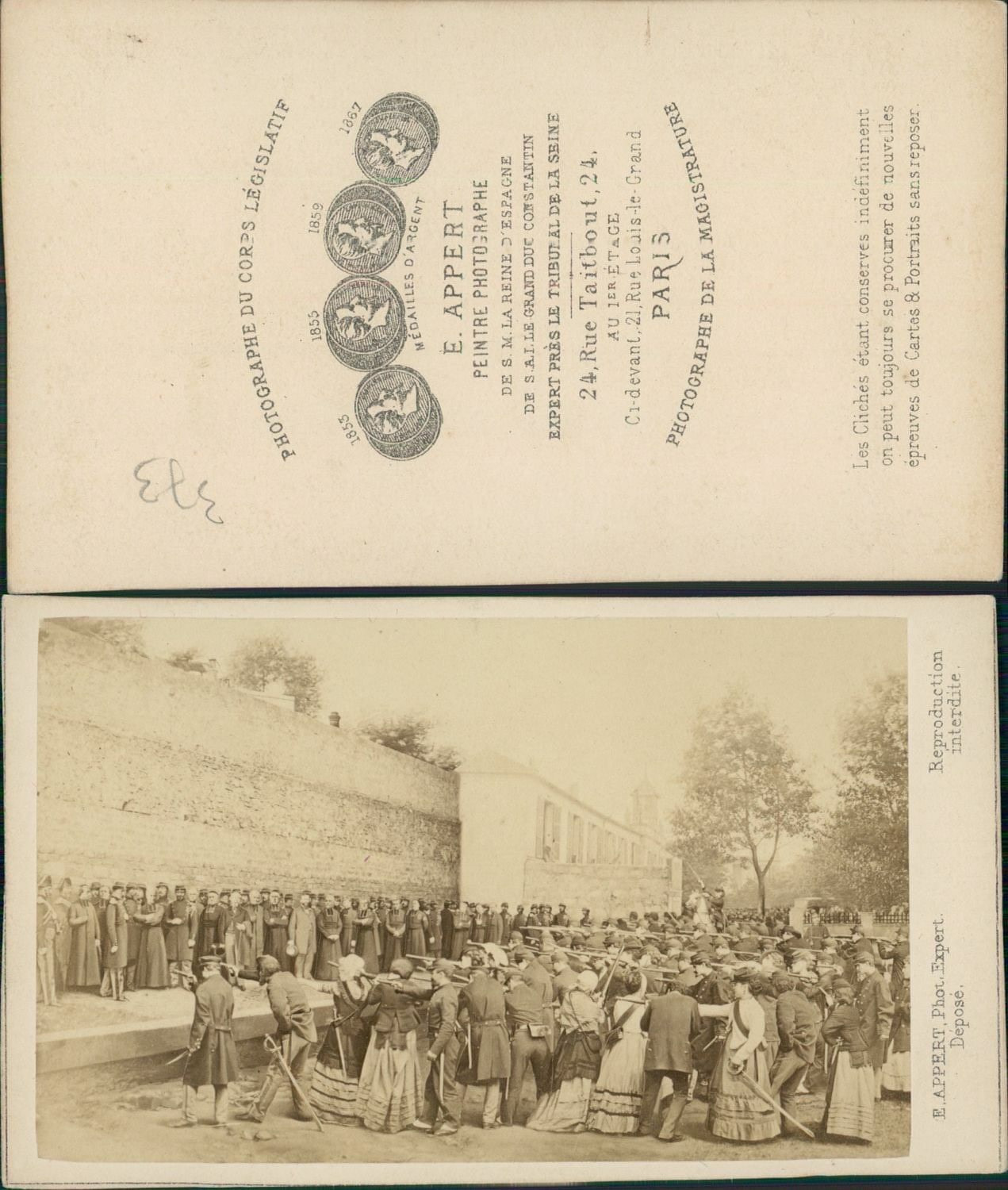
After taking the portraits, the Apperts staged “faked” composite photos of Commune leaders in a book entitled Crimes of the Commune, created to fuel anti-revolutionary sentiment. However, the photographs became complicated objects of propaganda, for often, when the public saw these portraits, they didn’t see the fearsome monsters they’d been told about, but rather their neighbours, friends, and the weary faces of the Parisian poor.
As the Versailles Government realised the ambiguity of responses to photographs depicting the Commune, they shifted tack and instead promoted a more reliable policy: erasure. They aggressively revived and expanded the Decree of February 17, 1852, which required a license for the sale or exhibition of any photograph in public, and issued a formal circular in December 1871 explicitly targeting “portraits of individuals involved in the recent insurrection.” The government argued that these images were not mere art, but “incitements to civil war” and an “affront to public morality.” This censorship effectively criminalised the act of remembering the defeated through a lens.