The Pétroleuses
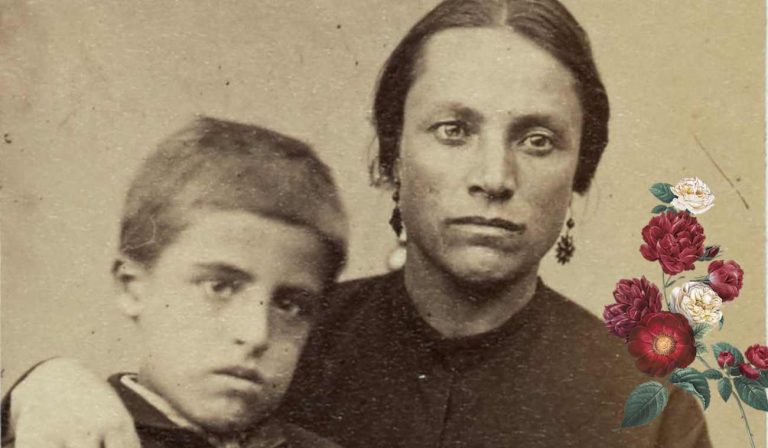
A gallery of 1871 Paris Commune pétroleuse portraits – the world’s first photographic ‘mug shots’ – taken of the alleged petrol girls, by photographer E. Appert.

After up to forty thousand people were slaughtered on the streets of Paris by their own government during Bloody Week. However, what gripped the world more than these atrocities was the sight of Paris set alight. Many monuments were destroyed in the fires that week, including the Tuileries Palace and the Hotel de Ville.
The government used incendiary bombs against its people during Bloody Week, which were aimed through windows and caught rooms alight, devouring buildings from within.
Yet disturbed by women’s participation in the Paris Commune, where brave women had donned military uniforms and fought, as well as nursed injured soldiers, the conservative press blamed women for the burning of Paris.
They claimed an army of 8000 women, called pétroleuses (petrol girls) had taken cans of petrol and set all of the city alight. Many of these women – who were universally poor, lower class and often single – were brought to trial, and given the death penalty or exile to New Caledonia for their “crimes”.
At her own trial, Louise Michel claimed that she set all the fires herself, as a means of taking the blame away from these poor women accused of being petrol girls.
A gallery of 1871 Paris Commune pétroleuse portraits – the world’s first photographic ‘mug shots’ – taken of the alleged petrol girls, by photographer E. Appert.